EASA eases Jordan, Lebanon airspace warnings
EASA downgraded its airspace risk warning for Jordan on August 31, 2026, the same day Jordan's military intercepted eight missiles.
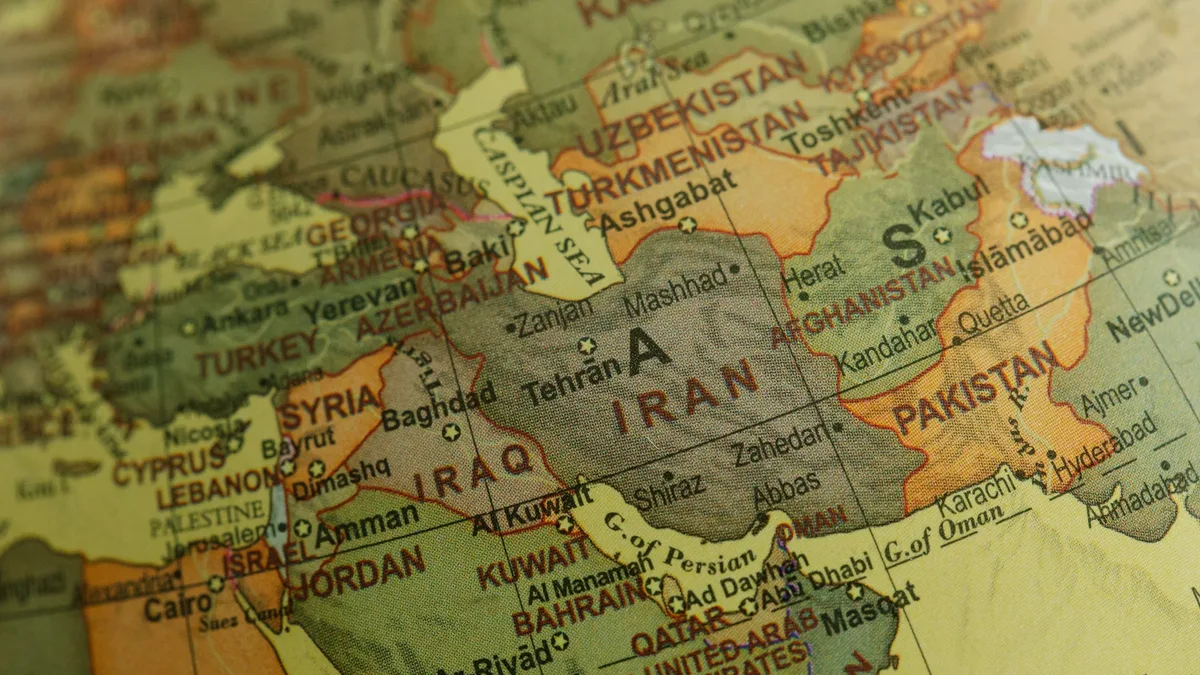
The European Union Aviation Safety Agency (EASA) eased its airspace warnings for Jordan and Lebanon on August 31, 2026. The change came the same day Jordan's military announced it had intercepted eight missiles over the kingdom at dawn, an event that operators can track in the context of regional fixtures.
EASA revised its Conflict Zone Information Bulletin (CZIB) for Jordan. It dropped a previous recommendation for operators to avoid the Amman flight information region (FIR) entirely. The agency now assesses the risk to civil flights as medium, not high, a change reflected in the latest stats.
The revised bulletin asks operators to account for potential risks. They must maintain current risk assessments and contingency plans. They should also be ready to follow state authority instructions on short notice. EASA extended the bulletin's validity to September 30, 2026.
EASA attributed the change to a quiet August 2026. The bulletin states that after increased military activity in July, no kinetic activity was observed in August. It notes Jordanian authorities have published no conflict-related airspace restrictions. This means operators must be prepared for tactical deconfliction if activity resumes.
Jordan intercepts eight missiles
On August 31, 2026, the official spokesman for the Jordanian Armed Forces issued a statement. It was carried by the state news agency Petra. He said air defense systems intercepted eight missiles that penetrated the kingdom's airspace at dawn. The spokesman said the missiles were destroyed before they threatened citizens or property.
EASA restores limited access to Beirut
EASA also revised its Lebanon bulletin. It restored an exception for Beirut Rafic Hariri International Airport (BEY). Operators may now fly to and from Beirut where the approach begins over the sea and the departure ends over the sea. This is subject to an up-to-date risk assessment and continuous monitoring.
Lebanese airspace remains assessed as high risk outside that specific carve-out. EASA said recurrent ceasefire violations were observed in August 2026, primarily in southern Lebanon.
UAE reports drone engagement
Separately, the UAE Ministry of Defense made a statement on August 31, 2026. It was carried by the state news agency WAM. The ministry said the UAE Air Force engaged a drone detected over the country's territorial waters as it approached from Iran.
EASA had previously told airlines to avoid Gulf airspace covering Bahrain, Kuwait, Qatar, and the United Arab Emirates on July 14, 2026.
Both revised bulletins for Jordan and Lebanon remain valid until September 30, 2026, unless reviewed earlier. CZIBs are recommendations. They apply to operators governed by Commission Regulation (EU) 965/2012 and to third-country operators holding EASA authorizations. National authorities retain final control over their own airspace.