Sixth-Generation Fighters Set to Surpass F-22 and F-35 Capabilities
The next wave of fighter jets, known as sixth-generation aircraft, are poised to outperform the F-22 Raptor and F-35 Lightning II with advancements in electronic warfare, range, sensor integration, and directed energy weapons. These innovations promise to redefine aerial combat and enhance the operational reach of the US Air Force and Navy.
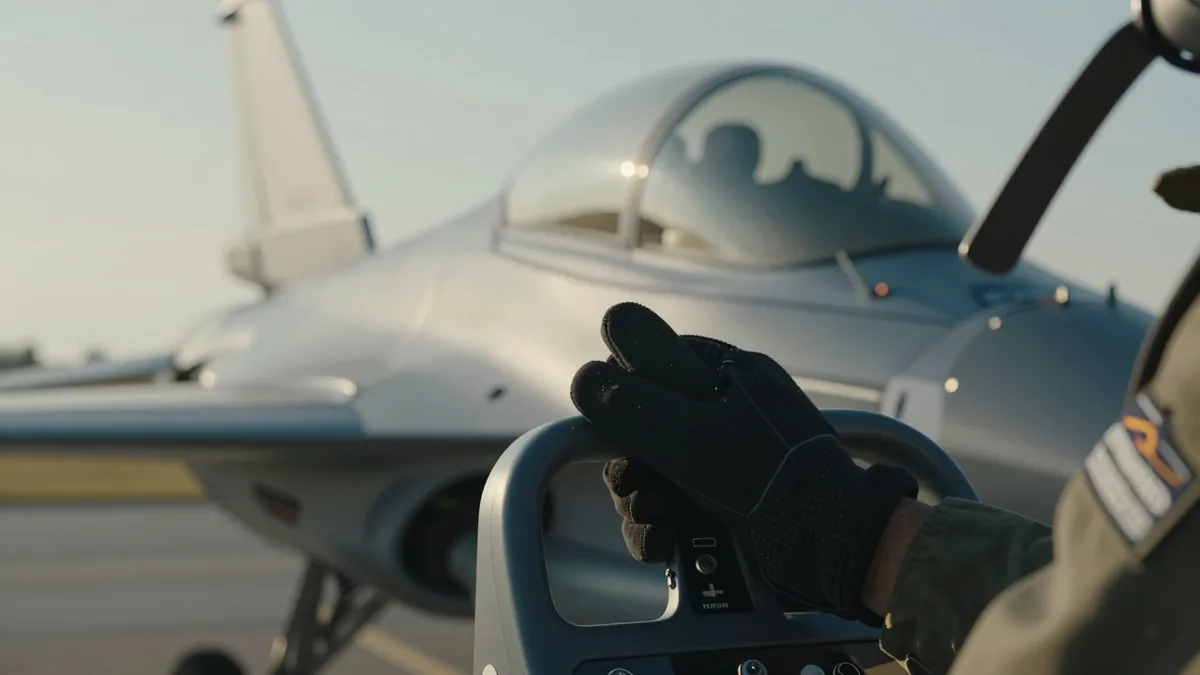
The Lockheed Martin F-22 Raptor and F-35 Lightning II have long been the pinnacle of aerial combat for the US Air Force (USAF), excelling in both air-to-air and ground-attack missions. However, the next generation of fighter jets is on the horizon, promising to surpass these fifth-generation aircraft in several critical areas. Sixth-generation fighters are expected to incorporate advanced sensors, more powerful engines, directed-energy weapons, and semi-autonomous drones, significantly enhancing their combat capabilities.
Electronic Warfare and Distributed Sensing
Electronic warfare (EW) involves using electromagnetic energy to disrupt or control the electromagnetic spectrum, a tactic crucial for modern military operations. The F-35's AN/ASQ-239 EW suite is highly sophisticated, but sixth-generation aircraft are set to take this technology further by distributing sensors across the airframe. This approach allows for a more comprehensive understanding of the electromagnetic environment, enabling the aircraft to detect and characterize threats from multiple directions.
Rather than relying on a single forward-facing sensor, these new fighters will integrate radar, electronic support measures, communications, and electronic attack into a unified system. This coordinated approach enhances the aircraft's ability to engage in EW, making it a more effective participant in a larger interconnected battle network. Additionally, sixth-generation fighters will likely work in tandem with uncrewed aircraft and other assets, creating a distributed EW capability that extends beyond a single platform.
Extended Range and Operational Persistence
Aircraft carriers and air bases are prime targets in modern warfare, making the range and endurance of fighter jets crucial. Sixth-generation aircraft, such as the Boeing F-47, are expected to have a range of 1,000 nautical miles and speeds exceeding Mach 2. This extended range will allow them to operate farther from carriers and air bases, reducing their vulnerability to long-range missile attacks.
The F-47's adaptive-cycle engines are designed to provide improved thrust, efficiency, and cooling, enhancing the aircraft's performance and survivability. These engines can adjust their airflow configuration to optimize performance for different mission phases, such as combat or cruise. This adaptability extends the aircraft's range and supports more powerful onboard systems, making it a formidable asset in contested battlespaces.
Sensor Integration and the Future of Battlespace Awareness
Sixth-generation aircraft are set to revolutionize sensor integration, moving beyond the traditional nose-mounted radar. The Tempest/GCAP program, for example, is designed around an Integrated Sensing and Non-Kinetic Effects system that combines radar, electro-optical, infrared, electronic support measures, and electronic warfare capabilities into a single architecture. This integrated approach provides pilots with a more detailed and comprehensive picture of the battlespace.
Sensors will be embedded across the airframe, allowing for greater flexibility in detecting and tracking threats from different directions. The Tempest is expected to process vast amounts of data, equivalent to that of a medium-sized city, in just one second. This capability will enable the aircraft to share information with other platforms, enhancing the overall effectiveness of the networked force.
While the traditional nose-mounted radar may not disappear entirely, its role could diminish as sixth-generation fighters adopt a more distributed sensor approach.
Directed Energy Weapons: A New Era of Combat
Directed energy weapons (DEWs), such as lasers and high-powered microwaves, have long been a staple of science fiction but are now becoming a reality. Sixth-generation aircraft, with their advanced power generation and cooling capabilities, are poised to integrate these weapons into their arsenal. DEWs could be used for both defensive and offensive purposes, targeting incoming missiles or hostile aircraft with precision.
The destructive power of a laser would be controlled by the aircraft's systems, delivering the required intensity to damage or destroy a target. An onboard AI copilot could assist with targeting and engagement, allowing the pilot to focus on other mission objectives. With the expected power generation from adaptive-cycle engines, a potential laser weapon mounted on a fighter could provide it with an unlimited magazine, revolutionizing aerial combat.
Source: Simple Flying