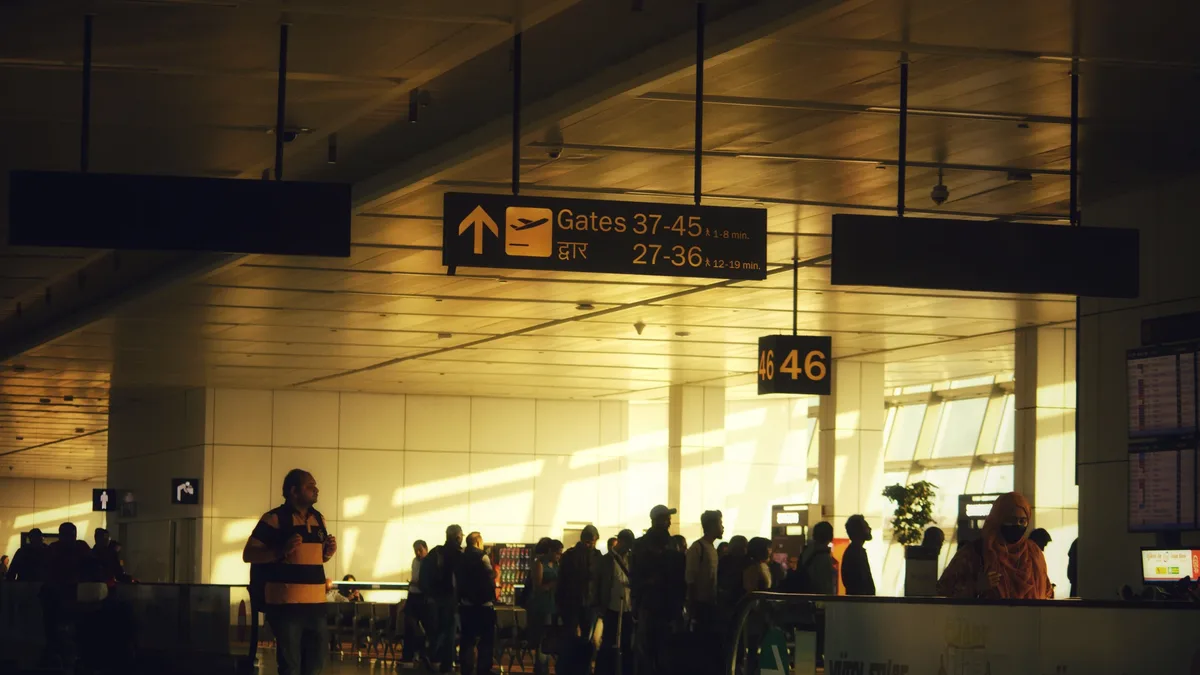
Denied Boarding
| Definition | The legal right to compensation when an airline involuntarily denies a passenger boarding due to overbooking or operational reasons. |
|---|---|
| Applicable law | Regulation (EC) No 261/2004 (EU) and similar national laws. |
| Trigger condition | Denied boarding against passenger's will, with a valid ticket and checked in on time. |
| Compensation amount | Fixed sum based on flight distance and delay at final destination. |
| Passenger rights | Choice between reimbursement, re-routing, or care (meals, communication, accommodation). |
| Claim process | Direct application to the airline, then to a national enforcement body if unresolved. |
| Time limit for claim | Typically within 2 to 3 years from the date of the denied boarding, depending on national law. |
Overview
Denied boarding refers to the situation where a passenger holding a valid ticket and who has presented themselves for a flight on time is not allowed to board the aircraft. This typically occurs when an airline oversells a flight, expecting some passengers not to show, but then faces more passengers than available seats. It is a regulated consumer protection concept distinct from flight cancellations or delays caused by operational issues. The core principle is that the airline, having sold a contract for carriage, has failed to fulfill its obligation through its own commercial decisions. Passengers in this situation are not merely inconvenienced but are legally entitled to specific forms of assistance and compensation. These rights are codified in various regional and national aviation regulations, which set minimum standards for treatment.
History
The formal concept of denied boarding compensation originated in the United States in the latter half of the 20th century. Widespread airline overbooking practices led to significant consumer dissatisfaction and regulatory scrutiny during the 1960s and 1970s. The U.S. Civil Aeronautics Board implemented the first systematic rules, establishing that airlines must first seek volunteers to give up their seats for compensation before involuntarily denying boarding. This framework created a structured process and recognized that involuntarily bumped passengers were owed more than just a rebooking. The European Union later developed its own comprehensive regulations, which expanded on the U.S. model and set specific financial compensation tiers. These historical developments transformed denied boarding from an unpredictable travel disruption into a scenario with defined passenger rights and airline responsibilities.
How it works today
When a flight is oversold, airlines are generally required to first ask for volunteers willing to surrender their seats in exchange for negotiated benefits, which often include travel vouchers, cash, and rebooking. If an insufficient number of volunteers come forward, the airline will then involuntarily deny boarding to certain passengers following its own established priority rules, which must be non-discriminatory. For those involuntarily denied boarding, regulations typically mandate immediate assistance, which includes the right to care such as meals, refreshments, and hotel accommodation if necessary. The airline must also provide rerouting to the passenger's final destination at the earliest opportunity or at a later time of the passenger's convenience. Crucially, passengers are entitled to financial compensation, the amount of which is usually fixed by law and depends on the distance of the flight and the length of the delay caused. The process for claiming this compensation is formal, and airlines must provide a written notice explaining the passenger's rights and how to pursue them.
Why it matters
These regulations matter because they establish a critical balance of power between a consumer and a large transportation provider, preventing airlines from externalizing the full cost of their revenue management practices onto passengers. They provide a predictable and enforceable standard of treatment, ensuring passengers are not left stranded without support or recourse. The compensation mechanism acts as a financial disincentive for excessive overbooking, encouraging airlines to calibrate their sales practices more carefully. For the individual traveler, understanding these rights is essential for asserting them effectively at the gate, particularly when deciding whether to volunteer. On a systemic level, these rules contribute to market fairness and consumer confidence in air travel. Without such protections, the commercial incentive to oversell would be unchecked, leading to more frequent and arbitrarily resolved disputes.
Common misconceptions
A common misconception is that denied boarding rights apply whenever a passenger misses a flight for any reason, such as arriving late at the airport; the rights only apply when the passenger is present and compliant but the airline cannot accommodate them. Another is that accepting voluntary compensation, such as a travel voucher, legally voids one's right to the higher, legally mandated compensation for involuntary denial, which is not true if the volunteer request was misleading. Many travelers believe airlines can arbitrarily select who gets bumped, whereas carriers must follow a published boarding priority order, often based on check-in time, fare class, or frequent flyer status. There is also a mistaken belief that these rights are universal, but the specific compensation amounts and procedures are dictated by the jurisdiction governing the flight, such as EU regulation for flights departing from Europe. People often confuse denied boarding with flight cancellations, which are governed by separate, though sometimes overlapping, regulatory rules. Finally, some assume claiming compensation is prohibitively difficult, while in reality many jurisdictions have established streamlined processes and enforcement bodies to handle claims.