Fare Classes And What They Buy
| Fare basis code | The alphanumeric identifier used to find the fare in a reservation system. |
|---|---|
| Booking class | The single letter (e.g., Y, J, W) associated with the fare basis code. |
| Refundability | Whether the fare is refundable, non-refundable, or refundable with a fee. |
| Changeability | Whether the fare can be changed, and under what conditions and fees. |
| Baggage allowance | The checked and carry-on baggage included, typically by piece or weight. |
| Seat selection | Whether advance seat selection is included, or if it incurs a fee. |
| Boarding priority | The boarding group or sequence (e.g., Zone 3, Priority Boarding). |
| Upgrade eligibility | Whether the fare earns status miles or is eligible for operational upgrades. |
| Meal service | Whether a complimentary meal or snack service is included. |
Origin and history
The systematic categorization of airfares into distinct classes, known as fare classes or booking classes, originated with the commercial aviation industry in the mid-20th century. This structure was developed primarily by airlines in the United States and Europe as passenger travel expanded beyond a luxury service. The need for a standardized coding system became critical with the advent of computerized reservation systems in the 1960s and 1970s, which required precise alphanumeric codes to manage inventory. These codes, typically a single letter, allowed airlines to segment their cabin inventory into dozens of different price points and rule sets. The initial framework distinguished between First Class, Business Class, and Economy, but has since proliferated into a complex hierarchy. This historical development is intrinsically linked to yield management, a revenue optimization strategy that uses fare classes to sell the same physical seat at different prices.
What it is for
Fare classes serve as the fundamental mechanism for airlines to manage revenue, inventory, and passenger segmentation on a single flight. Each alphanumeric code corresponds to a specific set of rules, restrictions, and a price point, which is distinct from the physical cabin class in which a passenger sits. The primary function is to allow an airline to sell seats to different types of travelers, such as price-sensitive leisure passengers and flexible business travelers, on the same aircraft. These codes determine critical elements like the ticket's change and cancellation fees, the accrual of frequent flyer miles, the fare's eligibility for upgrades, and its position on the standby priority list. When you purchase a ticket, you are buying the specific set of rights and restrictions associated with that fare class code, not merely a seat from point A to point B. The system enables dynamic pricing, where the cost of a seat fluctuates based on demand, remaining inventory in each fare class, and the time until departure.
Pros and cons
The primary advantage of the fare class system is that it enables lower headline prices for discretionary travelers by imposing strict purchase conditions, thereby filling aircraft that might otherwise fly with empty seats. For airlines, it is an indispensable tool for maximizing revenue from each flight by precisely controlling how many seats are sold at each price tier. A significant downside for passengers is the complexity and opacity it creates, making it difficult to compare the true value of tickets across airlines without understanding the underlying fare rules. Many travelers regret choosing the lowest fare class when unforeseen circumstances force them to change plans, as the modification or cancellation penalties can often exceed the original ticket price. A common mistake is assuming that all tickets in the same physical cabin are equivalent, leading to frustration when a passenger in Economy cannot select a seat or check a bag without extra fees while the passenger beside them can. The system can also feel unfair, as passengers seated next to each other may have paid vastly different amounts for an identical in-flight experience based solely on the timing of their purchase and the fare class purchased.
Who it suits
This system suits highly price-sensitive leisure travelers with fixed, inflexible plans who prioritize the lowest possible upfront cost and are willing to accept severe restrictions on changes, cancellations, and included amenities. It also suits business travelers whose companies have negotiated corporate contracts with specific fare classes that offer flexibility and full refundability, though these tickets come at a premium price. Frequent flyers who understand the nuances of fare rules and airline loyalty programs can strategically use fare classes to optimize their spending for elite status qualification or mileage accrual. The structure is designed for revenue managers and airlines themselves, as it provides the granular control necessary to run a financially viable operation in a competitive market. It is less suited to travelers who require even a moderate degree of uncertainty in their plans, as the penalties for altering a restrictive fare can be punitive. Ultimately, navigating fare classes successfully requires a traveler to honestly assess their own needs for flexibility, their budget constraints, and their willingness to research beyond the initial price display.
Latest Fare Classes And What They Buy news
Latest reporting
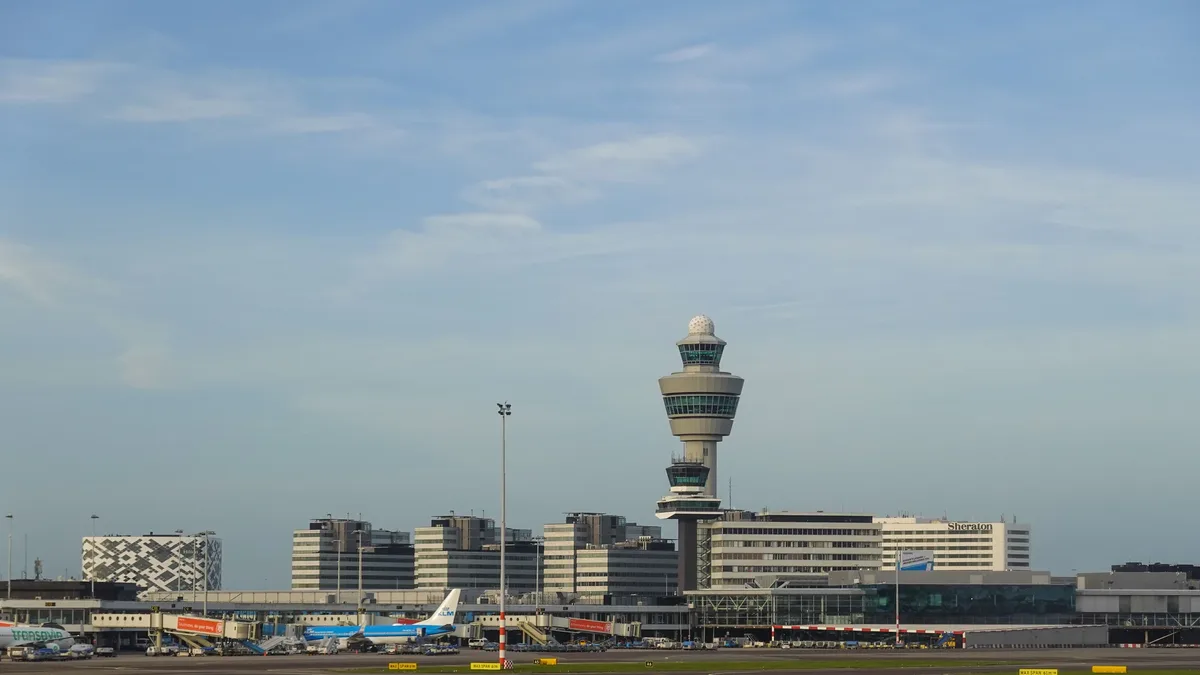
Five Busiest Airports Rely on Single Runways
Five major airports handling 25 to 45 million passengers annually operate with only one active runway. A closure at any of these hubs halts all...

TSA's New $800,000 CT Scanners May Slow
The TSA is rolling out advanced CT 3D scanners at US airports, but their slower speed and high cost mean they are not being prioritized for PreCheck...
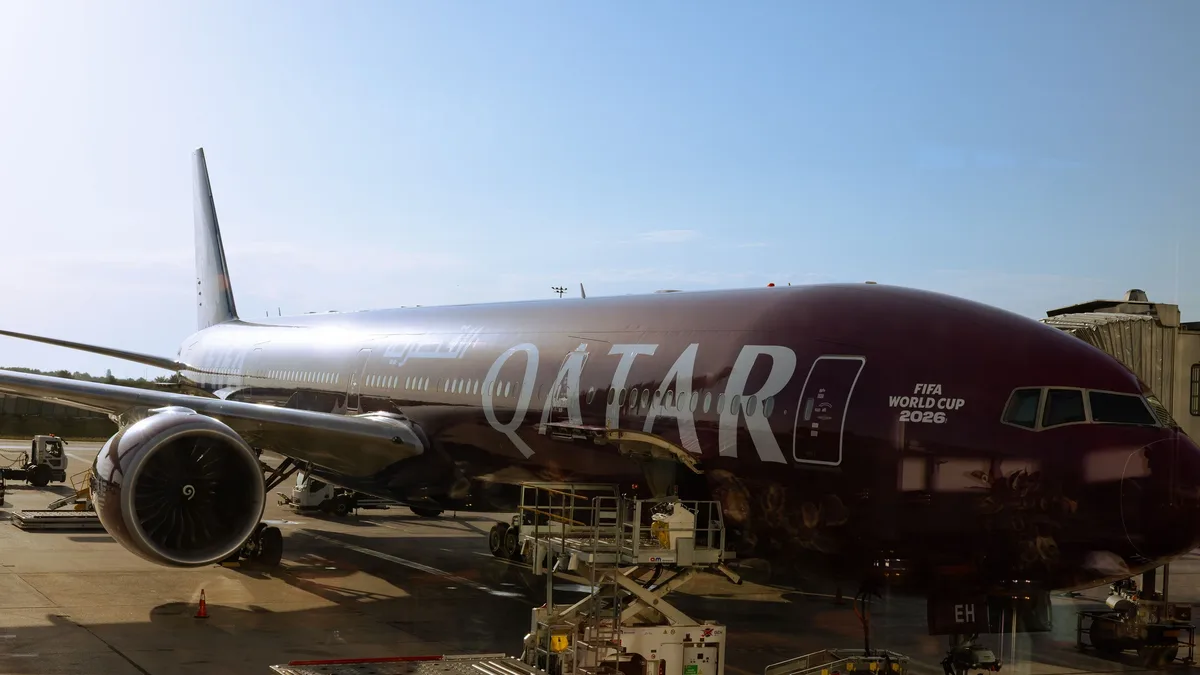
Boeing 777-9s Parked In Washington Await
More than 30 completed Boeing 777-9 aircraft are parked in Washington State because they were built before the final production standard was set.
BA Amex Business Card Gives 40,000 Avios
A small-business owner can now earn a 40,000-Avios sign-up bonus on the British Airways American Express Accelerating Business Credit Card if they...