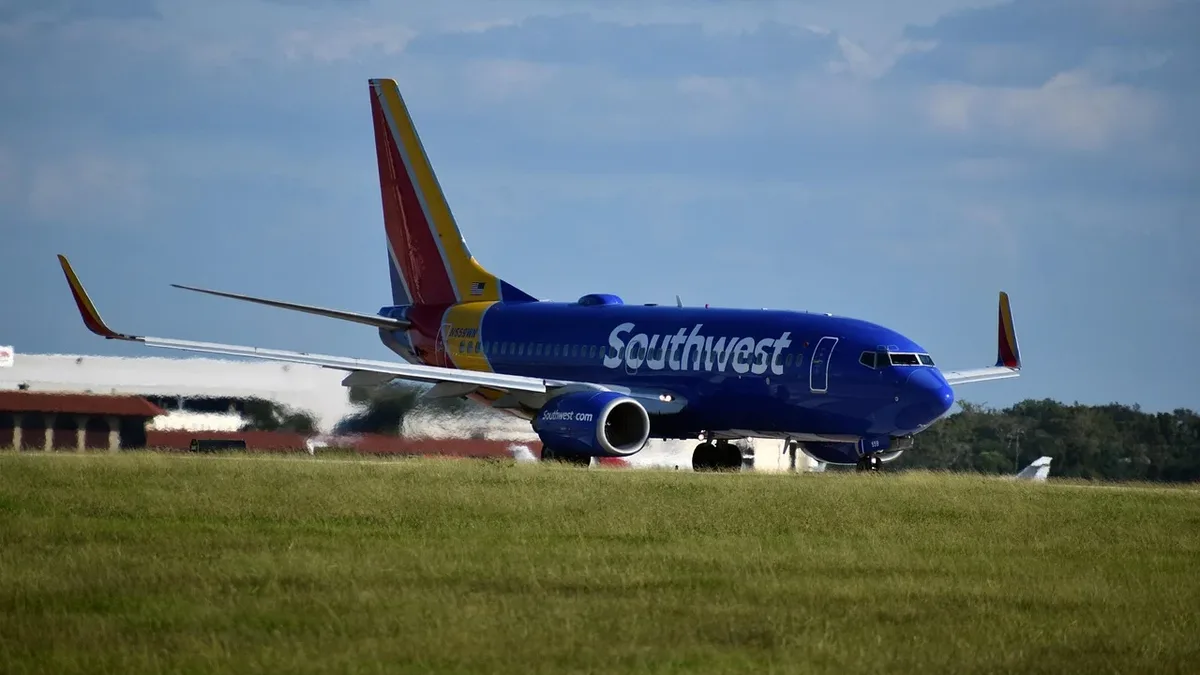
Five Busiest Airports Rely on Single Runways
Five major airports handling 25 to 45 million passengers annually operate with only one active runway. A closure at any of these hubs halts all commercial flights for their entire regions, as they lack operational redundancy.
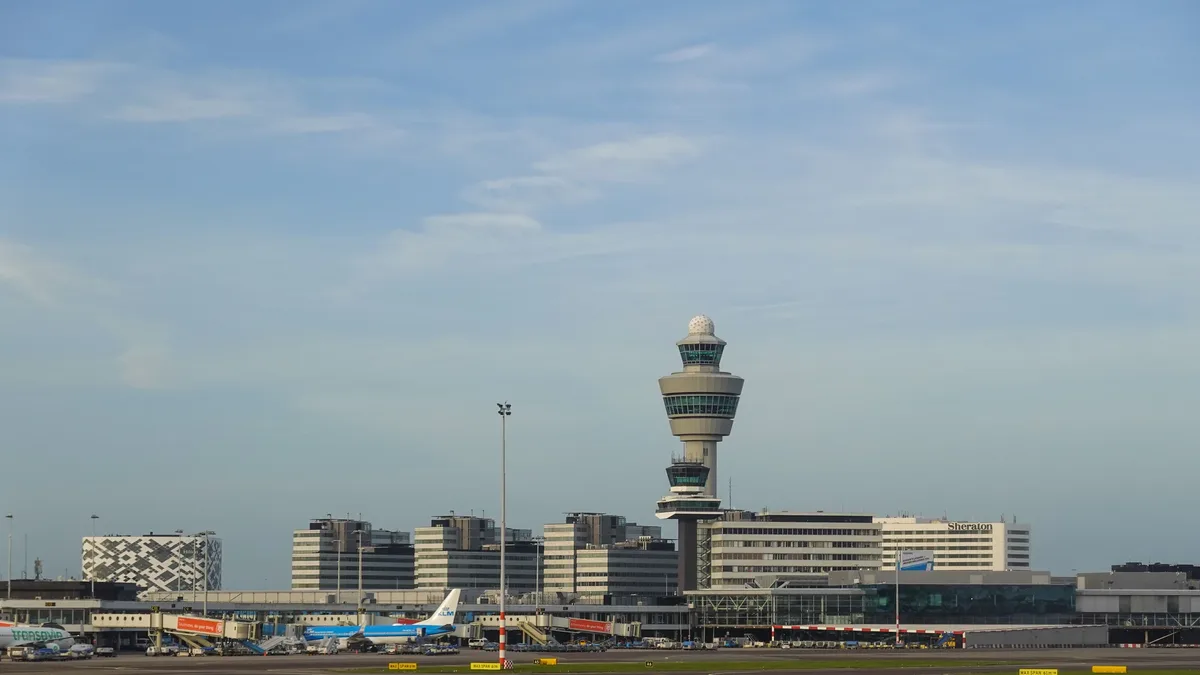
San Diego International Airport (SAN) is the busiest single-runway commercial airport in the United States. It handled a record 25.24 million passengers in 2024 on its sole 9,401-foot runway.
Xiamen Gaoqi International Airport (XMN) is the busiest single-runway airport in China. It processed 29.19 million passengers in 2025 using one 11,155-foot runway.
Lisbon Humberto Delgado Airport (LIS) is mainland Europe's busiest single-runway airport. It served 35.1 million passengers in 2024 on a single 12,484-foot runway, exceeding its designed capacity.
London Stansted Airport (STN) handled 30 million passengers in 2025 on its single 10,000-foot runway. It is Ryanair's largest global base.
London Gatwick Airport (LGW) is Europe's busiest single-runway airport. It handles over 45 million passengers annually on its main 10,879-foot runway.
Operational Vulnerability
Most major airports operate with multiple runways, providing redundancy if one closes. The five airports listed have no such fallback. According to the source report from Simple Flying, any closure of the active runway at these hubs halts all commercial operations. This leaves entire metropolitan regions without a primary aviation gateway.
The nearest alternative airports often cannot absorb the diverted traffic volume. For San Diego, the closest commercial options are Tijuana's airport across the Mexican border and John Wayne Airport in Orange County roughly 80 miles north. Lisbon has no second airport serving its metropolitan area, with the nearest major alternatives in Porto and Faro, each over a long distance away.
Airport Profiles and Constraints
Each airport faces unique geographical and infrastructural limits that prevent adding a second runway.
| Airport (Code) | Annual Passengers | Runway Length | Key Constraint |
|---|---|---|---|
| San Diego (SAN) | 25.24 million (2024) | 9,401 ft | Bordered by bay, military base, and residential areas. No room for expansion. |
| Xiamen Gaoqi (XMN) | 29.19 million (2025) | 11,155 ft | Located on an island tip, surrounded by water and urban development. |
| Lisbon (LIS) | 35.1 million (2024) | 12,484 ft | Situated in an urban area, surrounded by residential neighborhoods. |
| London Stansted (STN) | 30 million (2025) | 10,000 ft | Expansion plans for a second runway were withdrawn in 2010. |
| London Gatwick (LGW) | Over 45 million | 10,879 ft | Operates a single main runway for commercial traffic. |
San Diego's location, bounded by San Diego Bay, a Marine Corps base, a highway, and neighborhoods, has stifled expansion talks since the 1960s. Xiamen's island location makes expansion impossible. Lisbon is surrounded by residential areas where hundreds of thousands report noise disruption.
Future Plans and Mitigations
Some airports have long-term replacement plans, while others are investing to maximize their single-runway capacity.
Xiamen Gaoqi will close entirely in late 2026. It will be replaced by the new Xiamen Xiang'an International Airport on Dadeng Island, which will open with two parallel runways. Lisbon's replacement, the proposed Luís de Camões Airport, is targeted to open between 2035 and 2037. Until then, the airport operator is investing approximately €400 million in interim upgrades to increase throughput.
London Stansted has no plans for a second runway. Its owner, Manchester Airports Group, stated a recently approved passenger cap increase to 51 million will be achieved using larger aircraft on the same number of flights. The airport is undergoing a £1.1 billion terminal expansion. San Diego's new Terminal 1 development adds gates but does not change the fundamental runway constraint.
Impact on Airlines and Passengers
The reliance on a single runway creates significant network risks for airlines based at these hubs. A closure at London Stansted would disrupt Ryanair's operations at a scale unmatched by any other single airport closure in its network. The carrier operates more flights from Stansted than from any other airport, with many routes served only from there.
Similarly, Lisbon is the main hub for TAP Air Portugal and a major base for Ryanair and easyJet. Xiamen is the main hub for XiamenAir. San Diego is a hub for Alaska Airlines, and Southwest Airlines holds the largest market share there. At these airports, passengers have limited rebooking options during a disruption, as alternative airports in the region often lack the spare capacity to absorb the sudden influx of traffic. London Gatwick handles approximately 280,000 flights a year on its main runway.