2026 EU wildfire season sets alarming record
European Commissioner Lahbib reports the 2026 wildfire season has already burned over 700,000 hectares, exceeding the two-decade average, with fires starting earlier, moving north, and threatening major cities.
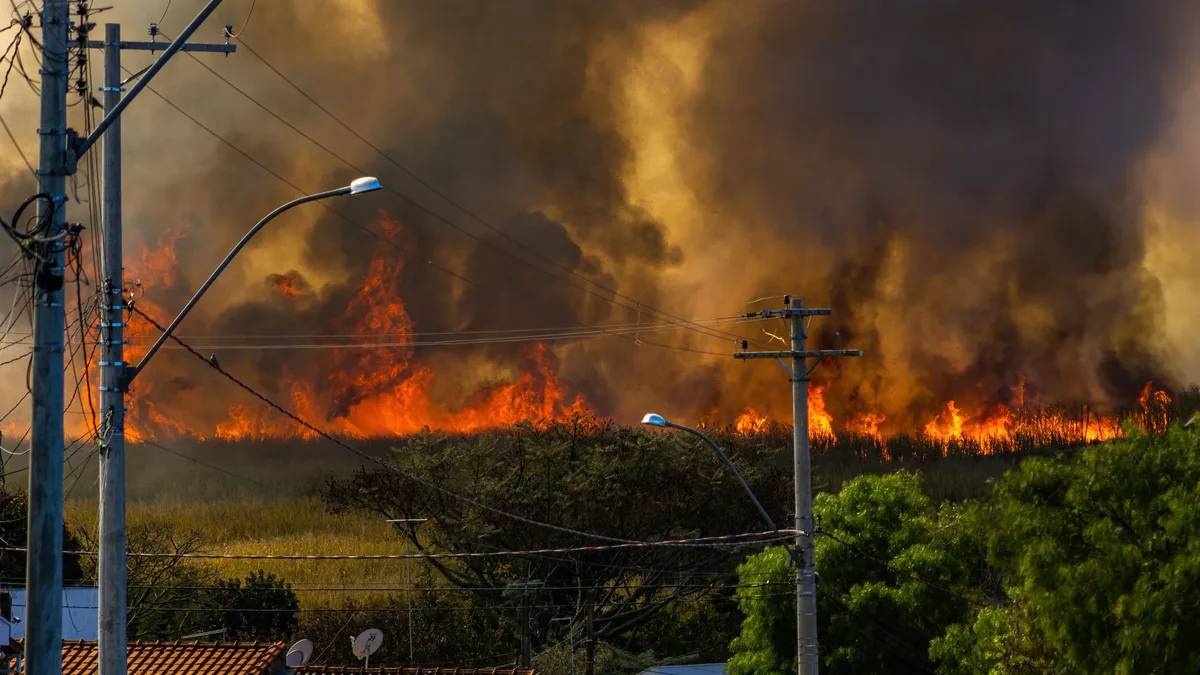
The 2026 wildfire season has already devastated more than 700,000 hectares across the European Union, a figure that surpasses the yearly average of the past twenty years. According to a speech by European Commissioner Lahbib, the season is not yet over, and firefighters and pilots have lost their lives.
This season has been exceptional for three key reasons. The fires began much earlier, with the Netherlands and Czechia battling flames as early as the end of April, extending the dangerous period. The wildfire map is also shifting northward, moving beyond a traditional "southern problem" to affect Germany, Scotland, Belgium, and even Greenland. In addition, major cities near Madrid and Bordeaux were threatened, leading to the evacuation of 300,000 people; in France alone, this was the largest evacuation since World War II.
European Solidarity in Action
In response, the EU activated its Civil Protection Mechanism ten times for fires within Europe and twice beyond its borders. The EU's Emergency Centre coordinated 40 aircraft and 18 ground teams. Nearly 800 firefighters from 14 different European countries were pre-positioned in six high-risk states, a deployment more than three times larger than in 2022. Commissioner Lahbib described seeing EU firefighters in different uniforms and speaking different languages united against a common threat.
Solidarity extended globally, with support provided to Venezuela, Colombia, and Nepal. The Commissioner expressed gratitude to all firefighters, volunteers, and duty officers who worked through nights and holidays.
A Changing Climate and Growing Threats
Europe is the fastest-warming continent, and this summer's infernos were fueled by four heatwaves since May, with temperatures exceeding 40°C in western and central Europe. Lahbib described a dangerous cocktail of heat, wind, and dry ground, where nature has become a "powder keg." Damage extended beyond forests to farms, roads, hospitals, schools, and power grids.
The EU's Copernicus satellites produced over 400 maps to guide ground teams, supported by rotating wildfire experts and a scientific partnership called ARISTOTELES. The Commissioner argued that fighting fires after they start is no longer sufficient, calling for preventative action like clearing dry brush, managing forests, and early warnings.
Strengthening the rescEU Fleet
The EU's rescEU fleet, a key response asset, consisted of 18 planes and 5 helicopters stationed across 11 Member States, with four more planes on standby. Lahbib stated that the next EU budget is vital for expanding this capacity, as outlined in the initial 2019 rescEU strategy.
| Asset Type | Current rescEU Fleet | Planned Additions |
|---|---|---|
| Firefighting Planes | 18 | 12 (production on track, first delivery early 2028) |
| Helicopters | 5 | 4 (first one, based in Romania, already operational) |
She emphasized that preparedness, while costly, is far less expensive than the alternative measured in lives and homes. With every year being called the worst on record, Lahbib concluded that the only answer to such disasters is for Europe to continue joining forces and standing together.