Screenshotting The Total Price Before You Pay
| Primary function | Evidence capture for fare disputes |
|---|---|
| Typical trigger | Fare display before payment confirmation |
| Key evidence captured | Final total price, breakdown, date/time, booking reference |
| Common failure modes | Price change at checkout, post-payment overcharge |
| Standard proof requirement | Screenshot showing total and all fare components |
| Legal basis | Contractual offer and acceptance |
| Recommended scope | Entire screen including URL/timestamp |
| Storage advice | Secure backup separate from booking confirmation |
Origin and history
The practice of screenshotting the total price before you pay is a consumer protection technique that emerged with the widespread adoption of e-commerce in the late 1990s and early 2000s. Its development is not tied to a single country but evolved organically across North America, Europe, and other digitally connected regions as online shopping became commonplace. The need for this practice grew directly from the increasing complexity of online checkout processes, where final prices could differ significantly from initially advertised ones. It represents a digital-age adaptation of the principle of obtaining a written quote before a transaction, translated for the virtual marketplace. The technique gained formal recognition as a recommended step by consumer advocacy groups and financial advisors throughout the 2010s. Its adoption was further solidified by the rise of dynamic pricing algorithms and the common addition of last-minute fees, making a fixed visual record invaluable for dispute resolution.
What it is for
This practice is specifically for creating an immutable, timestamped record of the final presented cost of a good or service at the precise moment you commit to purchase. Its primary function is to serve as evidence in disputes where the charged amount differs from the amount the customer agreed to pay during the checkout process. This evidence is crucial when dealing with unexpected fees, such as sudden shipping cost increases, service charges, or taxes that were not displayed transparently earlier in the shopping journey. The screenshot captures the entire summary page, including the itemized breakdown, the total price, and any applied promotional codes or discounts. It is used to hold merchants accountable to their advertised final price and is a foundational document for chargeback claims with credit card companies or complaints to consumer protection agencies. Furthermore, it guards against post-purchase price inflation for services like travel bookings or event tickets, where the vendor might later claim the initial price was an error.
Pros and cons
The principal pro is that it provides definitive, visual proof that can swiftly resolve billing errors or deceptive pricing practices in the customer's favor, as merchants and financial institutions generally accept such contemporaneous documentation. It empowers the individual consumer, shifting the burden of proof from a "he said, she said" scenario to one based on documented evidence, thereby increasing the likelihood of a successful refund or correction. A significant con is that it requires proactive discipline and adds a small but non-zero step to every transaction, which many users find easy to forget in the haste of completing a purchase. The practice can also create a false sense of security if the screenshot does not capture all relevant terms, such as dynamic currency conversion options or pre-checked add-ons, which can still lead to unexpected charges. People often regret not taking a screenshot when dealing with smaller merchants or unfamiliar platforms where pricing errors are more common and resolution processes are less robust. The most common mistake is capturing only the product price and not the final checkout summary that includes all fees and the definitive total, rendering the screenshot incomplete for dispute purposes.
Who it suits
This practice suits any online shopper who is methodical, values financial accuracy, and has experienced or anticipates billing discrepancies, particularly when making large or infrequent purchases like electronics, airline tickets, or hotel bookings. It is highly recommended for individuals who shop across international borders or on platforms known for complex fee structures, such as third-party travel agencies, concert ticket vendors, and certain online marketplaces. Budget-conscious consumers and those who meticulously track their expenses will find it indispensable for reconciling statements and ensuring they are not overcharged. It is also a critical habit for business purchasers or administrative staff who need to maintain precise records for expense reporting and auditing purposes. Conversely, it may be deemed less critical by those making very small, routine purchases on trusted and established platforms with straightforward and consistent pricing models. Ultimately, it is a best-practice tool for the defensive digital citizen operating in an economic environment where automated systems and opaque pricing layers are the norm.
Latest Screenshotting The Total Price Before You Pay news
Latest reporting
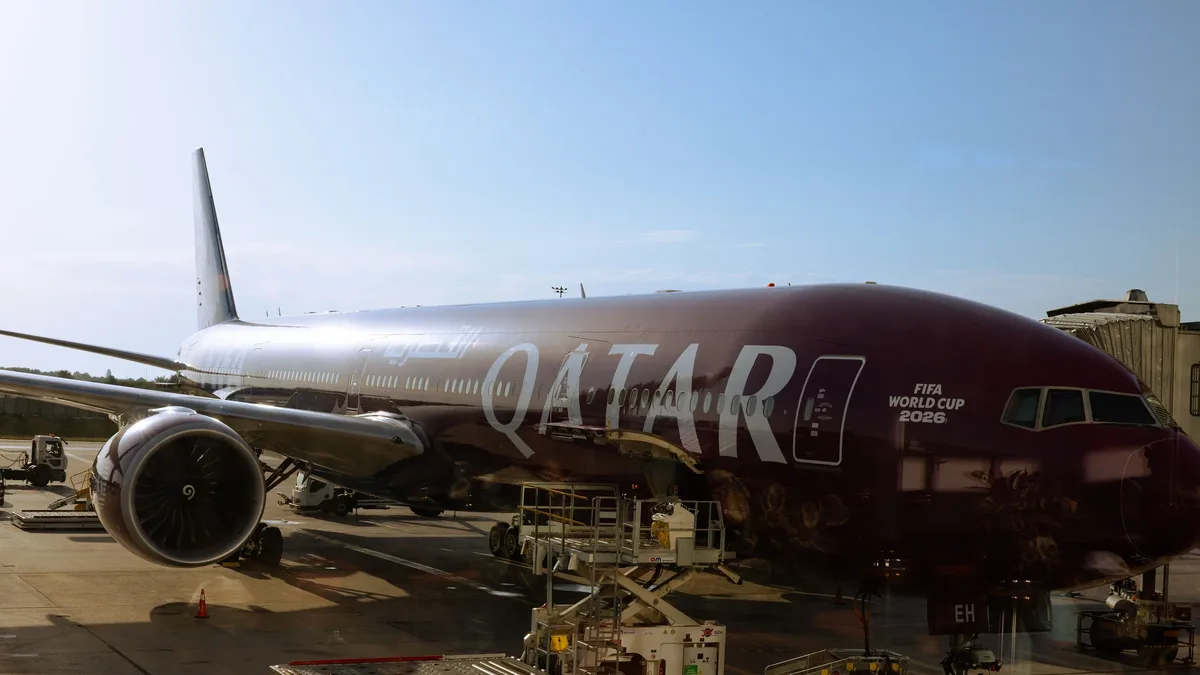
Boeing to rework 30 stored 777X jets before 2027 delivery
Boeing's CEO says 30 completed 777X aircraft require extensive modifications due to design changes from flight testing, with a dedicated team working...

Emirates Operates Over 2,200 First Class Seats, Leading
Emirates has a fleet-wide total of 2,214 first class seats, more than triple the count of its nearest competitor, according to a new analysis.

Ground Crew Tasks Before Departure
Ground crews perform coordinated tasks like aircraft inspection, baggage loading, and weight calculation before every flight, following IATA...
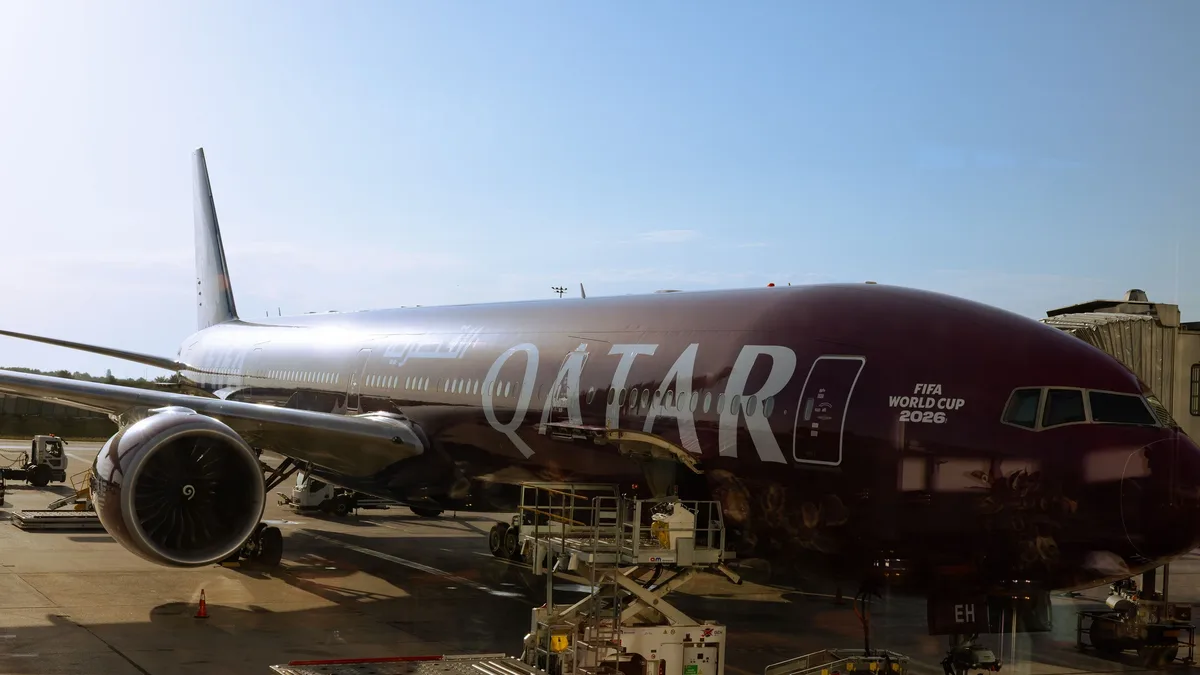
Boeing 777-9s Parked In Washington Await
More than 30 completed Boeing 777-9 aircraft are parked in Washington State because they were built before the final production standard was set.

American Airlines Expects 48 New Aircraft Deliveries in 2026
American Airlines is expecting to receive 48 new aircraft in 2026, as part of its ongoing fleet expansion and renewal efforts. The airline has a...

The Cost of Upgrading to Business Class on Transoceanic Flights
Business class fares on transoceanic flights can be extremely high, but there are ways to avoid paying full price, such as paid upgrades, bidding...