Low Cost Carrier Fee Structures
| Fare name | Recall |
|---|---|
| Included in fare | Recall |
| Excluded from fare | Recall |
| Fare restrictions | Recall |
| Change policy | Recall |
| Refund policy | Recall |
| Owed on schedule failure | Recall |
| Owed on cancellation | Recall |
Origin and history
The low-cost carrier (LCC) fee structure, often called the "unbundled" or "à la carte" pricing model, originated in the United States in the 1970s. Southwest Airlines pioneered the core concept of offering a low base fare by stripping out traditional services. This model was systematically refined and globalized in the 1990s and 2000s by European carriers like Ryanair and easyJet, which aggressively expanded the list of ancillary fees. The proliferation of internet bookings in the early 2000s provided the perfect platform for implementing complex fee menus at the point of sale. This business model fundamentally shifted airline revenue streams from being predominantly ticket-based to significantly reliant on ancillary charges. The structure has since become the global standard for budget airlines across Asia, the Americas, and Australia, continuously evolving to add new fee categories.
What it is for
The primary purpose of a low-cost carrier fee structure is to separate the core cost of transportation (the seat on the plane) from all other services. This allows the airline to advertise a very low headline fare to attract price-sensitive customers. Each optional service, from checking a bag to selecting a specific seat, is assigned its own separate charge. This system enables passengers to pay only for the extras they genuinely want, theoretically creating a customized travel experience. For the airline, it transforms ancillary services into major profit centers, often contributing a substantial portion of total revenue. The structure is fundamentally designed to maximize revenue per passenger while maintaining competitive initial fare visibility in search results and advertising.
Pros and cons
A primary advantage is the initial low fare, which makes air travel accessible for budget-conscious travelers and those traveling very light. Passengers have clear, itemized control over what they pay for, avoiding subsidies for services they do not use. For airlines, it creates efficient, high-density aircraft utilization and a diversified revenue stream that can be more resilient to fare wars. The significant disadvantage is the potential for cost confusion and bill shock, as the final price can double or triple after adding necessary fees. Many passengers regret choosing this model when they incur high penalty fees for mistakes like incorrect online check-in or cabin bag size violations at the gate. A common mistake is underestimating the total travel cost, leading to frustration and a perception of deceptive pricing, while the rigidity of the rules offers little leniency for errors or changes.
Who it suits
This fee structure best suits very disciplined, price-focused travelers who can travel with only a small personal item that fits under the seat. It is ideal for short trips, point-to-point journeys where no connections are at risk, and passengers who are adept at navigating online booking systems and strict rules. It also suits infrequent travelers or those for whom the lowest possible upfront cost is the absolute primary decision factor. This model is poorly suited for families with young children requiring checked equipment, travelers with specific seating needs due to mobility issues, or anyone with uncertain plans that may require changes. It is generally a mismatch for complex itineraries involving multiple airlines, as protection for missed connections is typically non-existent, and for passengers who value predictability and inclusive service over hunting for the lowest possible base fare.
Latest Low Cost Carrier Fee Structures news
Latest reporting
United Airlines Takes Delivery of First GTF Advantage
United Airlines has become the first carrier to receive an Airbus A321XLR powered by Pratt & Whitney's new GTF Advantage engines, a milestone...
British Airways offers week-long Avios boost sale at 0.92p
British Airways is running a limited-time Avios Balance Boost promotion, allowing members to purchase up to five times their recent earnings at a...
Delta to Launch Only US Nonstop from Austin to Paris in 2027
Delta Air Lines will begin daily Airbus A330-900neo flights from Austin to Paris in March 2027, becoming the sole US carrier with nonstop service...
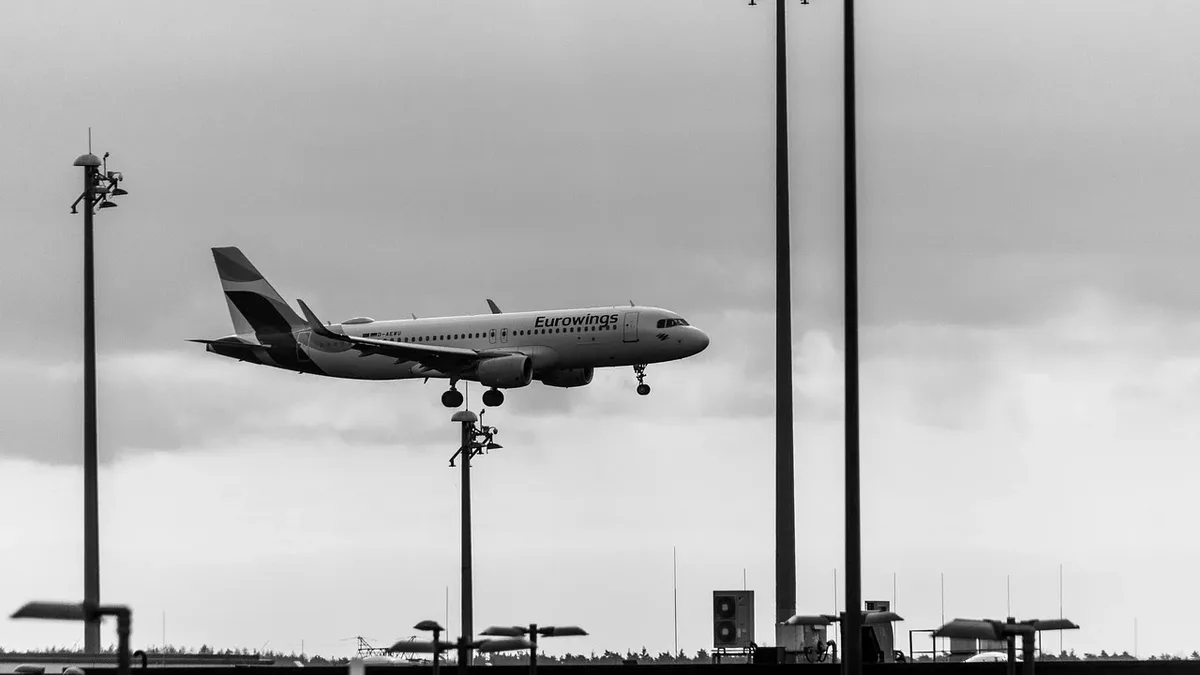
Frontier Airlines to Exit New York JFK Airport on October 5
Frontier Airlines will cease all operations at New York JFK Airport on October 5, ending a two-year presence. The ultra-low-cost carrier cited high...
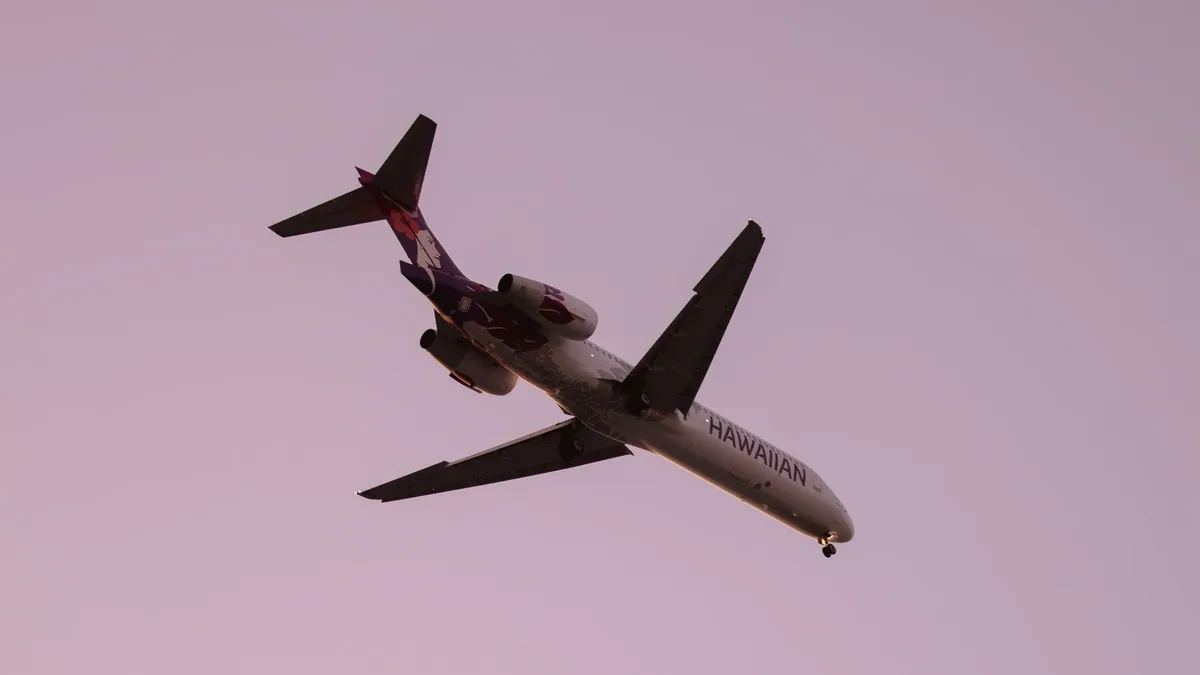
Atmos Rewards Ends Lap Infant Fees on International Awards
The Alaska and Hawaiian Airlines loyalty program now allows passengers to add a lap infant to an international award ticket for only the cost of...
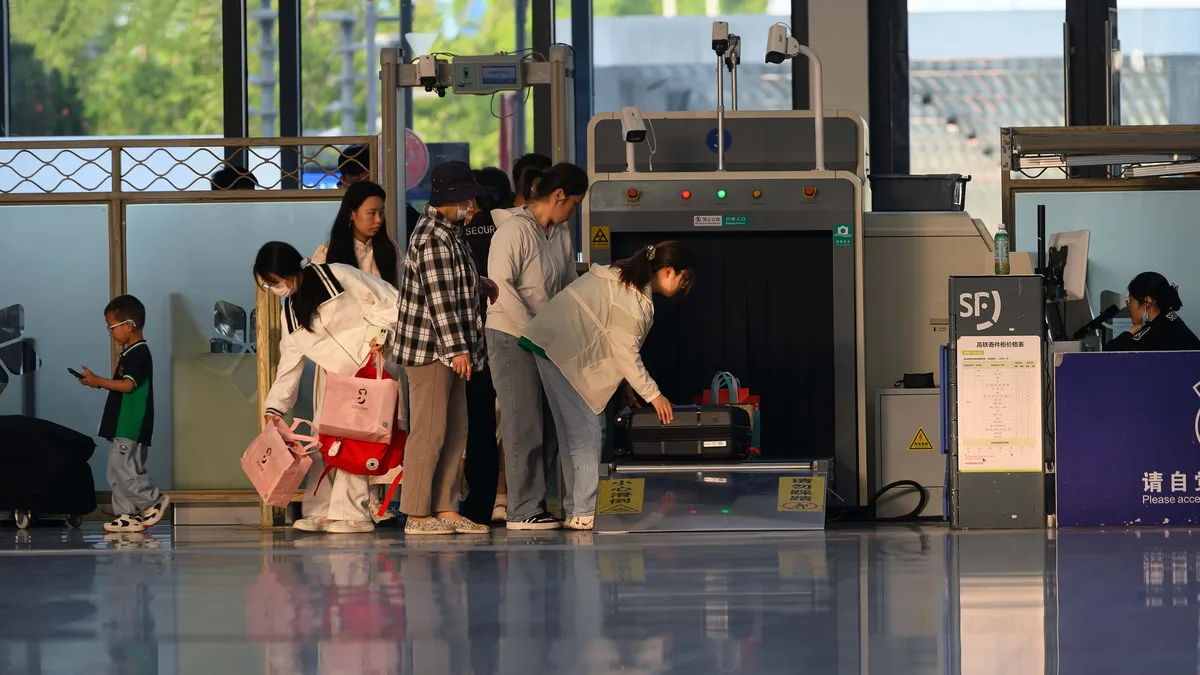
TSA's New $800,000 CT Scanners May Slow
The TSA is rolling out advanced CT 3D scanners at US airports, but their slower speed and high cost mean they are not being prioritized for PreCheck...