Eu261 Delay Compensation
| Applicable flights | Flights departing from the EU, Iceland, Norway, or Switzerland, and flights arriving in the EU operated by an EU airline. |
|---|---|
| Delay threshold for compensation | 3 hours or more at arrival. |
| Compensation amounts | Fixed amounts based on flight distance, not ticket price. |
| Claim process | Submit a claim directly to the operating airline. |
| Required documentation | Boarding pass, flight details, and proof of delay. |
| Time limit for claims | Claims can typically be submitted up to several years after the flight, depending on national law. |
| Exemptions | Extraordinary circumstances like extreme weather or security risks may exempt the airline. |
Overview
EU261 Delay Compensation refers to a set of passenger rights established under European Union Regulation (EC) No 261/2004. It mandates that airlines operating flights departing from the EU, or flights arriving in the EU on an EU carrier, provide standardized compensation and assistance to passengers in cases of significant delay, cancellation, or denied boarding. The regulation is designed to offer a high level of consumer protection and to discourage airlines from engaging in practices that disrupt travel plans. Its provisions are legally enforceable, meaning passengers have a clear right to claim specific remedies when their travel is disrupted. The core principle is that the airline is responsible for delivering the service contracted, and failures trigger obligations. This framework provides a predictable recourse for passengers that supersedes the varying policies individual airlines might otherwise offer.
History
The regulation originates from the European Union and was formally established in the early 2000s, with the key legislation adopted in 2004. Its creation was driven by a need to harmonize passenger rights across the then-expanding European single market for air travel, where disparate national rules created inconsistency and confusion. The legal basis stems from the EU's competency in consumer protection and transport policy, aiming to correct a perceived imbalance of power between large airlines and individual travelers. It built upon earlier international agreements like the Montreal Convention, which primarily governs liability for death, injury, and baggage issues, but did not comprehensively address delays and cancellations. The regulation has been subject to numerous clarifications and interpretations by the Court of Justice of the European Union (CJEU) over the decades, which have generally strengthened passenger rights. These legal rulings have refined definitions, such as what constitutes an "extraordinary circumstance" that might relieve an airline of its duty to pay compensation.
How it works today
The regulation applies when a flight is cancelled, when a passenger is denied boarding due to overbooking, or when a flight arrives at its final destination with a delay of three hours or more. The airline must also provide care, including meals, refreshments, hotel accommodation if an overnight stay is necessary, and two telephone calls or emails. If a flight is cancelled, passengers must be offered the choice between reimbursement of the ticket, re-routing to their final destination, or rebooking on a later date. The airline is exempt from paying financial compensation only if it can prove the disruption was caused by "extraordinary circumstances" beyond its control, such as extreme weather, political instability, or security risks. The process requires the passenger to submit a claim directly to the airline, and if that is rejected, to escalate the complaint to a national enforcement body in the relevant EU member state.
Pros and cons
A significant pro is that the regulation provides a powerful, standardized legal tool for passengers, creating a deterrent against poor airline operational practices and ensuring a baseline of care during disruptions. It shifts the burden of proof onto the airline to demonstrate that a circumstance was extraordinary, which strengthens the passenger's position. A major con is that the claims process can be lengthy and adversarial, with airlines frequently rejecting valid claims initially, forcing passengers to engage in persistent follow-up or seek third-party claims agencies that take a commission. Another drawback is the ambiguity surrounding the definition of "extraordinary circumstances," which airlines often cite broadly, leading to disputes and necessitating legal interpretation that is inaccessible to the average traveler. Passengers who regret using it are often those who faced a complex disruption, found the paperwork and correspondence burdensome, and felt the stress of the process outweighed the compensation received. A common mistake is passengers failing to understand that compensation is for the delay itself, not for consequential losses like missed hotel bookings or events, which must be pursued separately under different laws.
Who it suits
This rights guide suits passengers who are prepared to be proactive and persistent in asserting their legal entitlements following a travel disruption. It is particularly valuable for frequent flyers on routes within, to, or from the European Union who face a higher statistical probability of encountering a delay or cancellation and can become familiar with the process. The framework suits passengers who value certainty and a legal standard over negotiating with airline customer service, which may offer only vouchers or goodwill gestures. It is less suited to passengers who prefer to avoid any administrative hassle or conflict, even if it means forgoing several hundred euros in potential compensation. The guide is also highly suitable for travelers who meticulously document their journeys, as a successful claim requires retaining boarding passes, tickets, and official documentation of the delay reason. Ultimately, it serves informed consumers who view air travel as a contract and believe airlines should be held accountable for failures within their operational control.
Latest Eu261 Delay Compensation news
Latest reporting
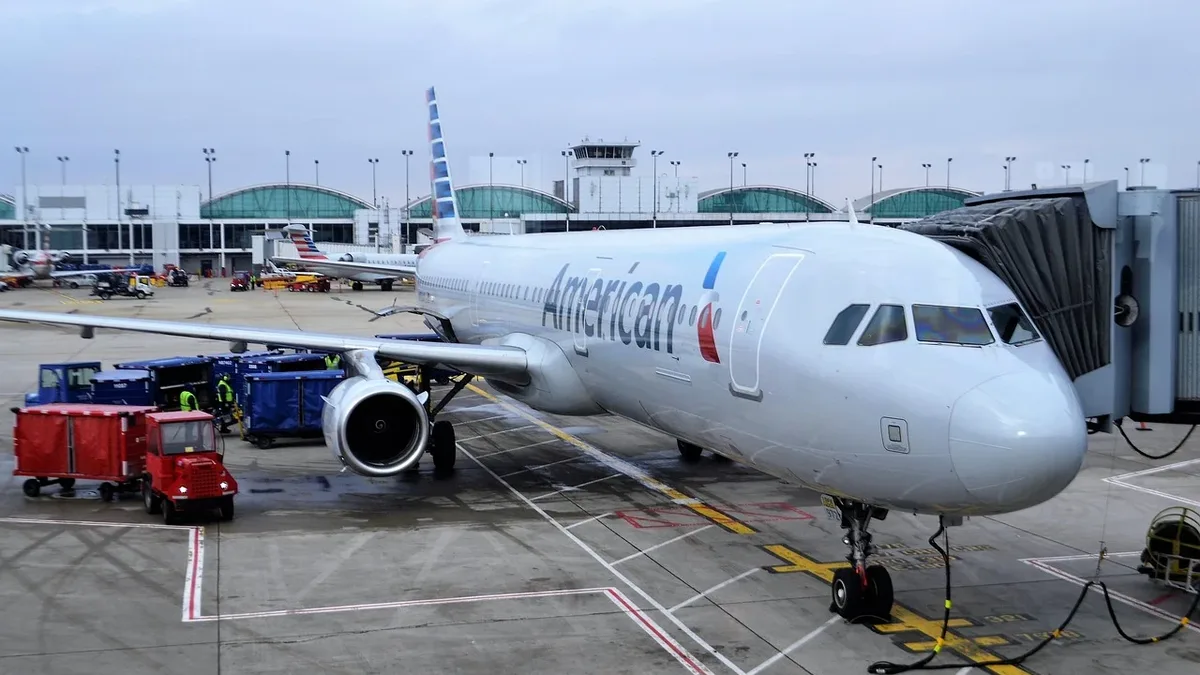
American Airlines Tests Honest Delay Reporting at Charlotte
American Airlines is piloting a new policy at its Charlotte hub to provide realistic delay estimates from the start, aiming to end the frustration of
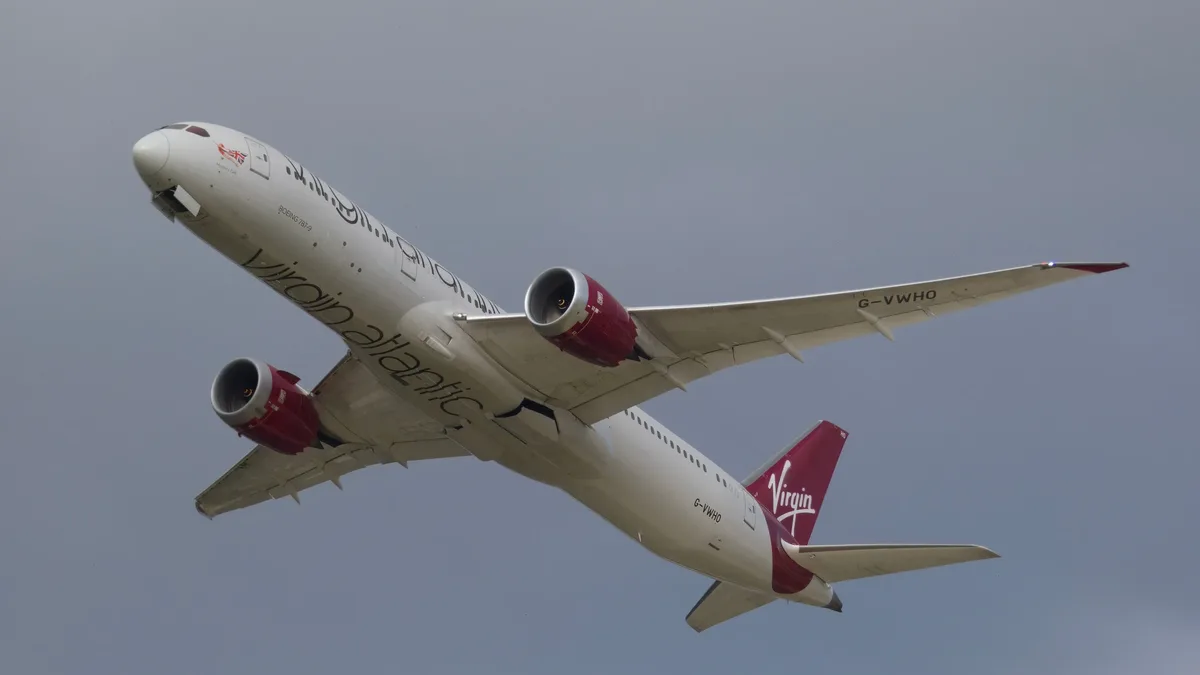
Virgin Atlantic delays A330neo deliveries after Airbus tool
Virgin Atlantic has postponed the launch of its new premium-heavy A330neo aircraft due to a production delay at Airbus, reportedly caused by a missing