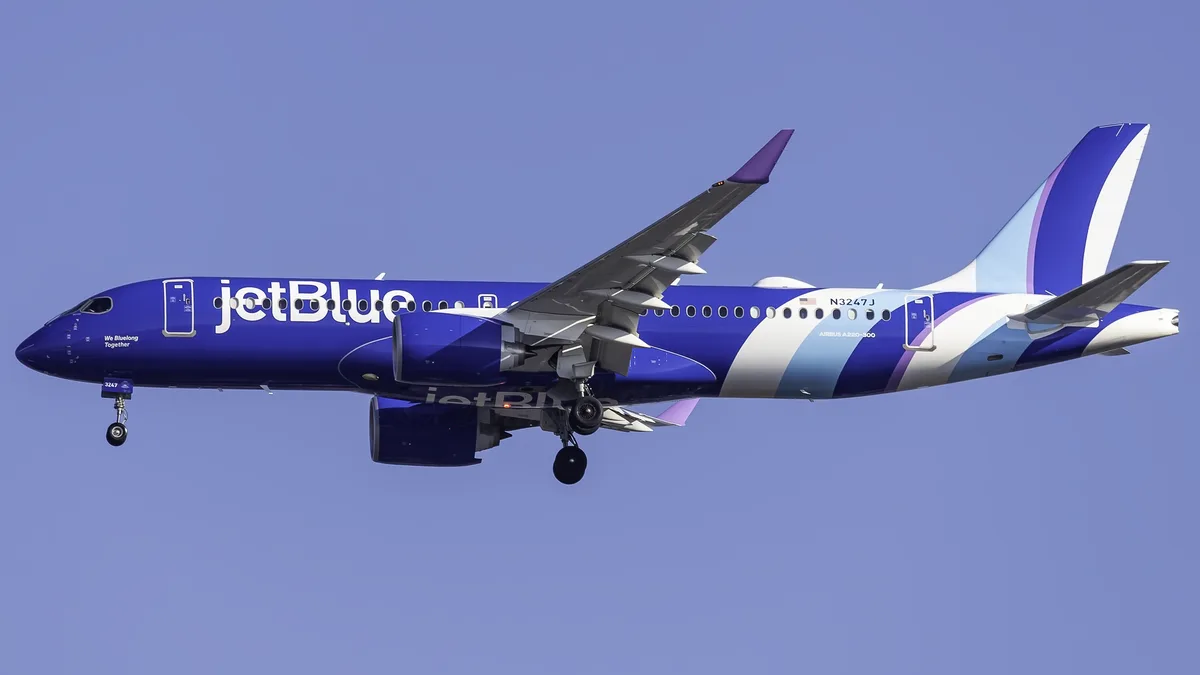
Jetblue A321 Seat Map
| Seat configuration | 2-class (Core and Mint) |
|---|---|
| Typical total seats | 190 to 200 |
| Core class seats | All rows are standard economy |
| Mint class seats | Lie-flat suites in a forward cabin |
| Seat pitch (Core) | Varies by specific aircraft sub-fleet |
| Power ports | Available at every seat |
| Wi-Fi | Complimentary high-speed available onboard |
| Entertainment | Seatback screens with free live TV and movies at every seat |
Origin and history
The JetBlue A321 seat map is a product of commercial aviation in the United States. It was developed in the early 21st century alongside the airline's introduction of the Airbus A321 aircraft. JetBlue first incorporated the A321 into its fleet in the 2010s to expand capacity on popular routes. The seat map for this aircraft type has evolved through several cabin configurations over the subsequent decade. These changes reflect the airline's shifting business strategies, including the introduction of premium cabin classes. The map itself is a standardized digital document used for operational and customer service purposes.
What it is for
The JetBlue A321 seat map is a detailed diagram used by passengers to select their specific seat during booking or check-in. It visually represents the layout of the cabin, including rows, seat letters, and the location of exits, lavatories, and galleys. The map allows travelers to understand the exact location of their assigned seat relative to the aircraft's features. It is essential for passengers with preferences, such as wanting an exit row for extra legroom or avoiding a seat near a lavatory. Airlines use this same map for inventory management and to ensure proper weight and balance calculations. For the fare context, the seat map directly illustrates which seats are included in your purchased ticket class and which require an additional fee.
Best seats on Jetblue A321 Seat Map
The definition of "best" seat depends entirely on passenger priorities, as no single seat is optimal for all travelers. For maximum legroom at no extra cost, the exit row seats, typically rows 10 and 20, are highly sought after, though they come with specific passenger eligibility requirements. The first row of the core cabin, often row 8 or a similar forward row, offers quicker deplaning and may have more perceived space. Seats immediately in front of an exit row often have limited recline, which can be a significant disadvantage for some. Window seats in the forward section of the aircraft generally experience less perceived turbulence and offer a view. Aisle seats in the center section provide easier access to the aisle but may be adjacent to high-traffic areas from the galley or lavatories.
Overview
The JetBlue A321 seat map typically depicts a twin-aisle configuration, though the airline operates a single-aisle Airbus A321. The cabin is divided into distinct classes: Mint (suites), Even More Space, and Core economy. The map uses standard symbols to denote windows, exits, lavatories, closets, and galley areas. Seat rows are numbered sequentially from the front to the rear of the aircraft, with seat letters following the common aviation pattern. The visual representation is crucial for understanding the proximity of your seat to various services and potential noise sources. Different configurations exist, such as the A321neo with Mint suites and the older A321 with a different premium layout, so passengers must check the specific map for their flight.
What to know
You must always verify the exact seat map for your specific flight, as JetBlue operates multiple A321 configurations with different layouts. Seat selection is often a paid extra for most economy fares, except for some elite status holders or specific fare bundles. The "Even More Space" seats are not a separate cabin but are scattered premium economy seats with greater pitch, primarily located at the front of the economy section and in exit rows. Seats directly adjacent to lavatories or galley areas may experience more foot traffic, light, and noise throughout the flight. Some rows, particularly those immediately ahead of an exit row, may have restricted recline due to safety regulations. The seat map is the definitive tool for understanding what is included in your fare and what constitutes an upsell.
Common questions
A common question is whether exit row seats cost extra, and the answer is that they are typically reserved for Even More Space purchases or assigned to eligible customers at the gate. Passengers frequently ask how to identify seats with extra legroom, which are marked on the map and usually require an additional fee. Many inquire about the location of bassinets, which are not available on all JetBlue A321s and, when present, are assigned at the gate to specific bulkhead rows. Travelers want to know which seats are quietest, which are generally those away from galleys, lavatories, and the engines, often in the forward half of the cabin. Questions arise about seat width, which is consistent within each cabin class but can feel narrower in seats where the armrest tray table is stored. Families often ask about guaranteed adjacent seating, which usually requires purchasing a specific fare bundle or speaking with a agent at the airport.
Pros and cons
A significant pro is the detailed visual representation that allows for informed seat selection based on personal priorities. The map clearly delineates between included and premium seats, providing transparency during the booking process. A major con is that the map does not convey sensory information like noise levels or proximity to unpleasant odors from lavatories, which can lead to poor seat choices. Passengers often regret selecting a seat immediately in front of an exit row due to the non-reclining function, which is not always obvious from the map alone. A common mistake is assuming all window seats have a full window view, as some may be misaligned with the seat due to the aircraft's structural design. The map can also create frustration when a preferred seat shown as available during booking is changed due to an aircraft swap, a frequent occurrence in airline operations.
Who it suits
The JetBlue A321 seat map suits meticulous planners who value control over their in-flight experience and are willing to study cabin layouts. It is essential for travelers with specific physical needs, such as those requiring extra legroom or quick aisle access. The map is particularly useful for groups or families trying to secure adjacent seating, though it highlights the challenges of doing so without paying extra. It serves budget-conscious travelers by clearly showing which seats are included in the base fare, allowing them to avoid unexpected fees. Frequent flyers and aviation enthusiasts benefit from comparing different configurations and understanding fleet specifics. Ultimately, it is a necessary tool for any passenger booking a JetBlue A321 flight who wants to move beyond a random seat assignment.
Latest Jetblue A321 Seat Map news
Latest reporting
American Airlines launches automatic seat
American Airlines has introduced an automatic seat change feature in its mobile app for AAdvantage members traveling solo.
British Airways seat selection fees
British Airways charges passengers to select seats in advance across most cabins, including premium economy and business class, with fees varying by...
Airbus invests $200m to convert A380 wing plant for A321
Airbus is spending over $200 million to convert a former A380 wing facility in Broughton, UK, into a dedicated A321 production line.
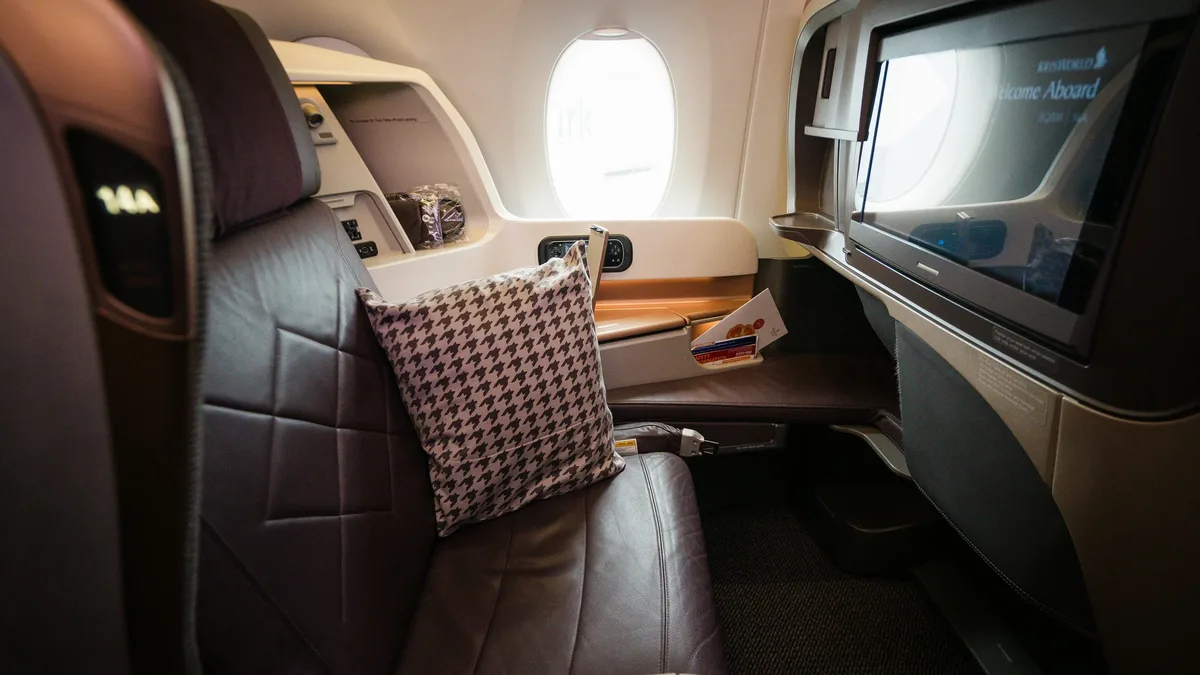
Iberia to retrofit fleet with new business
Iberia's Chief Customer Officer Beatriz Guillen confirmed a new, proprietary business class seat will debut in 2027 as part of a €6 billion investment
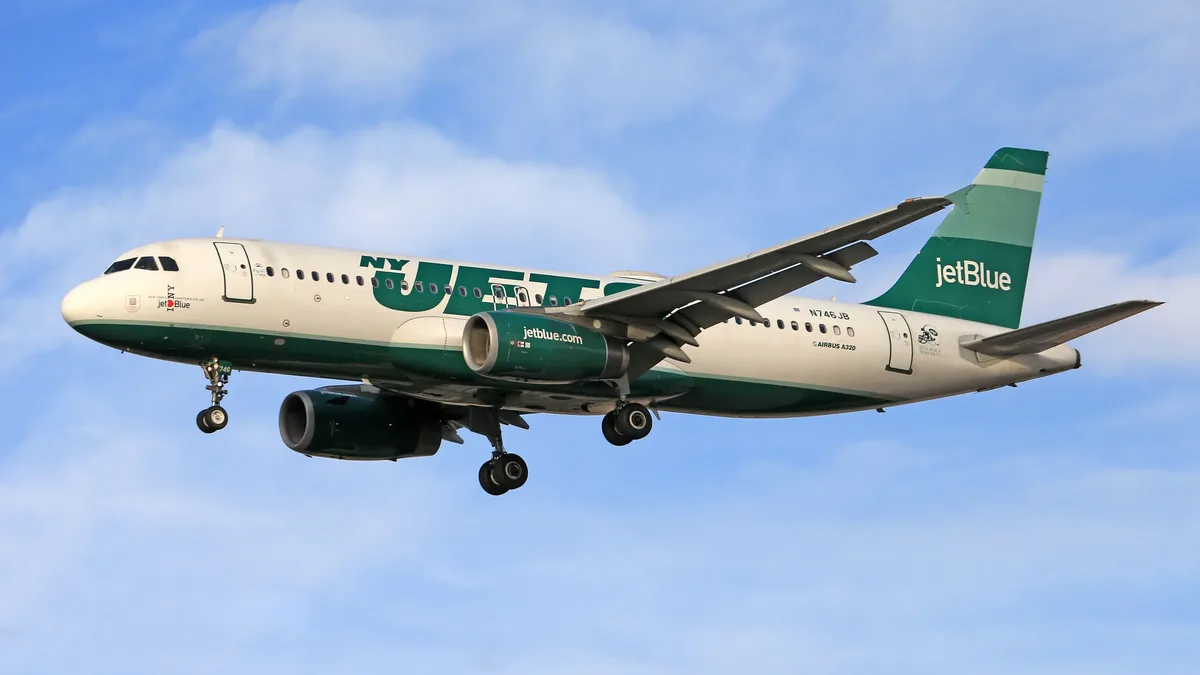
JetBlue Drops 'Most Legroom' Claim as New First Class
JetBlue has removed its claim of offering 'the most legroom in coach' from onboard announcements as it reconfigures planes to add a domestic First...
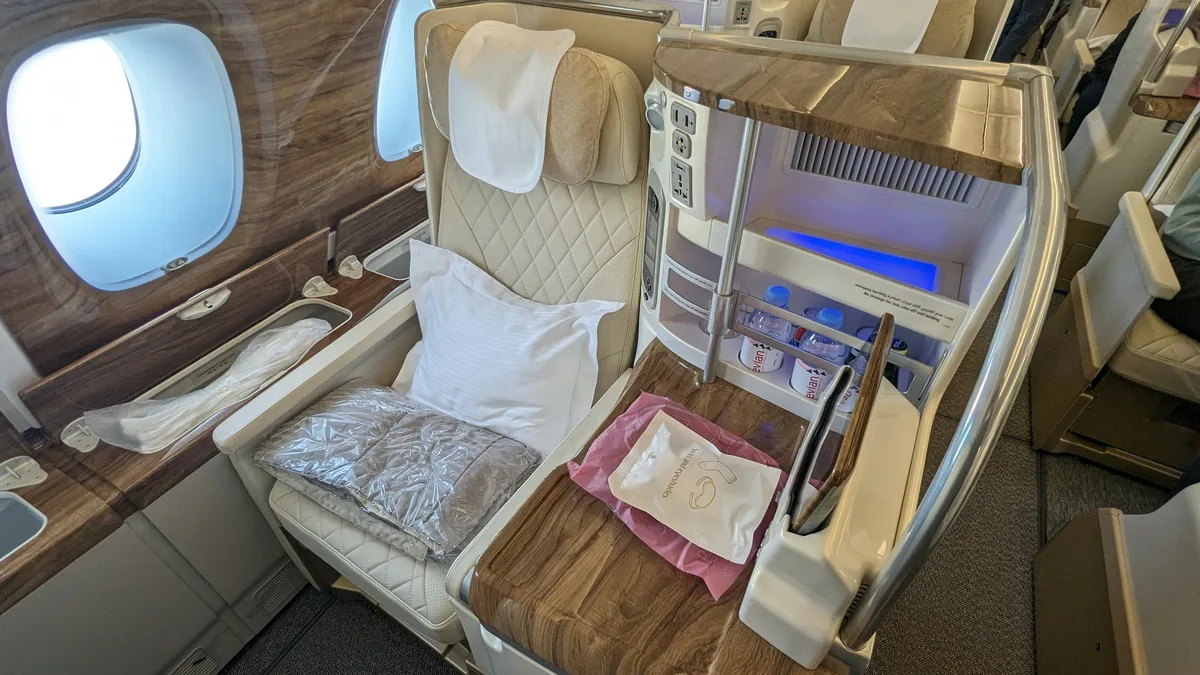
JetBlue Launches BlueFirst Domestic First Class with Cold
JetBlue has unveiled its new BlueFirst domestic first class, featuring recliner seats and cold meals served in cardboard bento boxes on flights over...