Infants, Children And Seat Allocation For Families
| Age minimum for infant fare | Under 2 years |
|---|---|
| Age minimum for child fare | 2 to under 12 years |
| Seat provision for infant | Lap-held or purchased seat |
| Seat provision for child | Own seat required |
| Family seating guarantee | Not typically guaranteed |
| Seat allocation method | At check-in or via advance selection fee |
| Required documentation | Proof-of-age for infant/child fares |
| Baggage allowance for infant | Typically checked baggage and collapsible stroller |
| Baggage allowance for child | Typically same as adult fare |
Origin and history
The practice of formalizing policies for infants, children, and family seat allocation on commercial airlines originated in the United States and Western Europe alongside the post-war democratization of air travel in the mid-20th century. Initially, regulations were minimal, with infants often traveling on a parent's lap as a standard practice without specific safety provisions. The development of dedicated infant safety restraints and child fares emerged gradually through the latter decades of the 1900s, driven by evolving safety research and consumer demand. Seat allocation rules for families were largely a function of airline revenue management systems that developed in the 1970s and 1980s, which treated seats as individual inventory items. The formal requirement for children under two to have a ticket and an approved child restraint system for certain phases of flight was established by international aviation bodies and national regulators by the late 1990s. These policies have continued to be refined, with recent decades seeing increased focus on ensuring young children can be seated with accompanying adults at no extra cost.
What it is for
These policies govern the ticketing, pricing, safety, and seating arrangements for passengers traveling with infants and children on commercial aircraft. The primary purpose is to ensure the safety of young travelers, mandating the use of approved child restraint systems or defining the conditions under which a lap-held infant is permitted. A secondary function is to establish standardized fare structures, differentiating between infants who do not occupy a seat and children who require their own booked place. The rules for seat allocation specifically aim to prevent families, particularly those with young children, from being separated during the flight due to scattered seat assignments. This framework also defines the baggage allowances and service provisions, such as onboard bassinets, that are included with these specialized fares. Ultimately, these regulations create a consistent contractual understanding between the airline and the traveling family regarding what is being purchased and provided.
Pros and cons
A significant pro is that child fares often provide a substantial discount compared to standard adult fares, making family travel more economically feasible. The explicit policies also provide clarity on safety requirements, helping parents prepare with appropriate FAA or EASA-approved car seats for the aircraft cabin. A major con is that the common practice of allowing infants under two to fly as a "lap child" at a reduced fare is widely criticized by safety experts as suboptimal, as the child lacks a dedicated restraint during turbulence. Families frequently regret not paying for a seat for an infant when they encounter severe turbulence or when the flight is full and the child cannot be placed in an empty adjacent seat. The most common mistake is assuming airline systems will automatically seat young children with their parents, often leading to stressful last-minute gate negotiations or paid seat selection fees to rectify the problem. Another drawback is the inconsistency between airlines regarding age thresholds, fare inclusions, and the availability of bassinets, which creates complexity for parents booking travel.
Who it suits
These policies suit budget-conscious families traveling with very young infants who are willing to accept the safety compromise of a lap-held child for short-duration flights. They are also designed for families traveling with children over the age of two who require and are prepared to pay for a dedicated seat, benefiting from the associated baggage allowance. The seat allocation rules specifically suit travelers who book well in advance and meticulously review seat maps or pay for pre-selected seating to guarantee their family sits together. These frameworks are less suited to families with twins or multiple young children, where lap-infant policies become impractical and the cost of multiple child seats is prohibitive. They are also poorly suited to solo parents traveling with more than one young child, as securing adjacent seats for three or more people together is often challenging under standard allocation algorithms. Ultimately, the system best serves families who thoroughly research their specific airline's policies and purchase the corresponding fare bundle that matches their safety preferences and logistical needs.
Latest Infants, Children And Seat Allocation For Families news
Latest reporting
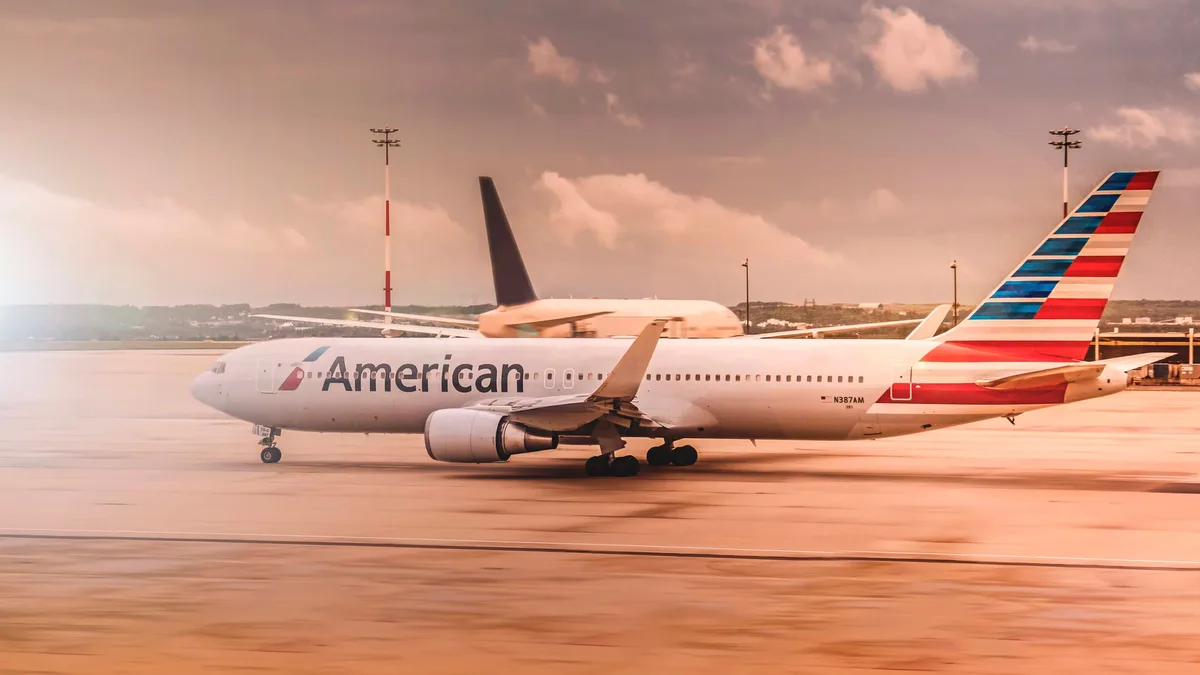
American Airlines launches automatic seat
American Airlines has introduced an automatic seat change feature in its mobile app for AAdvantage members traveling solo.
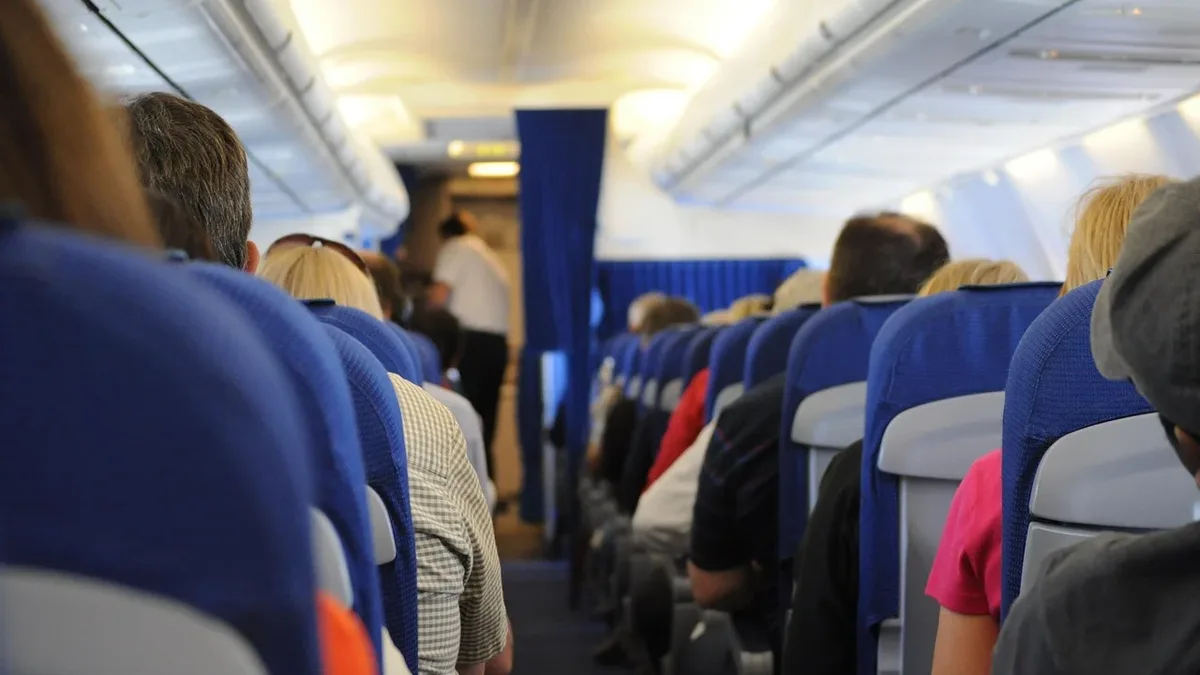
British Airways seat selection fees
British Airways charges passengers to select seats in advance across most cabins, including premium economy and business class, with fees varying by...
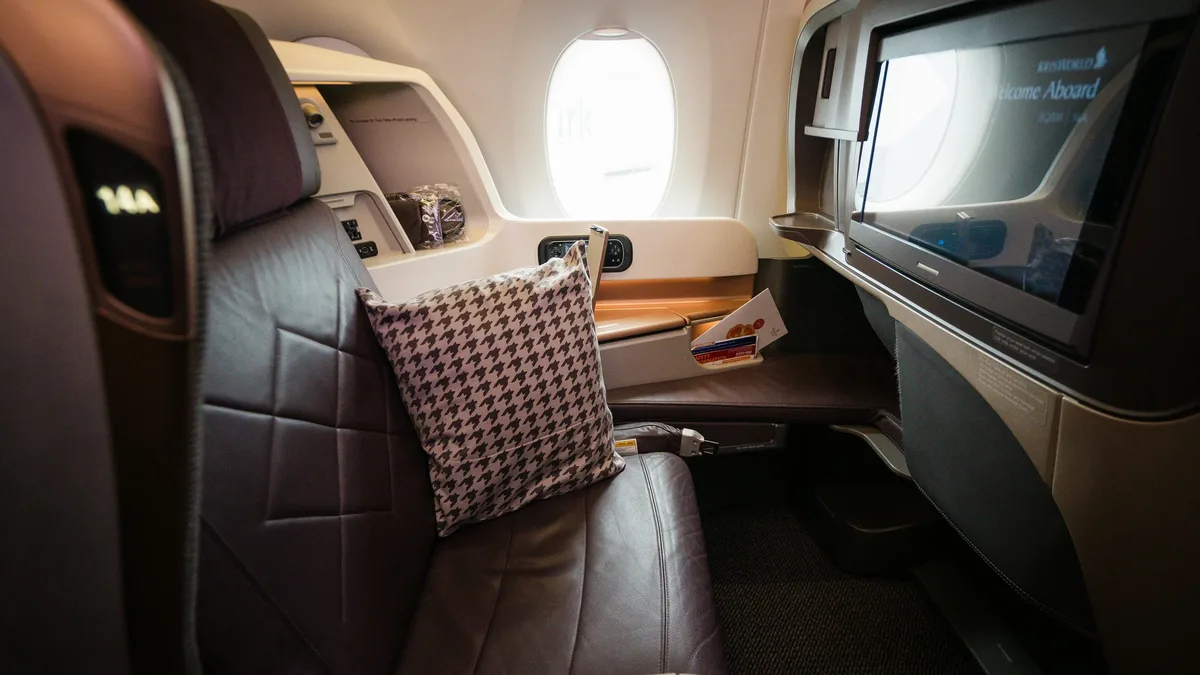
Iberia to retrofit fleet with new business
Iberia's Chief Customer Officer Beatriz Guillen confirmed a new, proprietary business class seat will debut in 2027 as part of a €6 billion investment
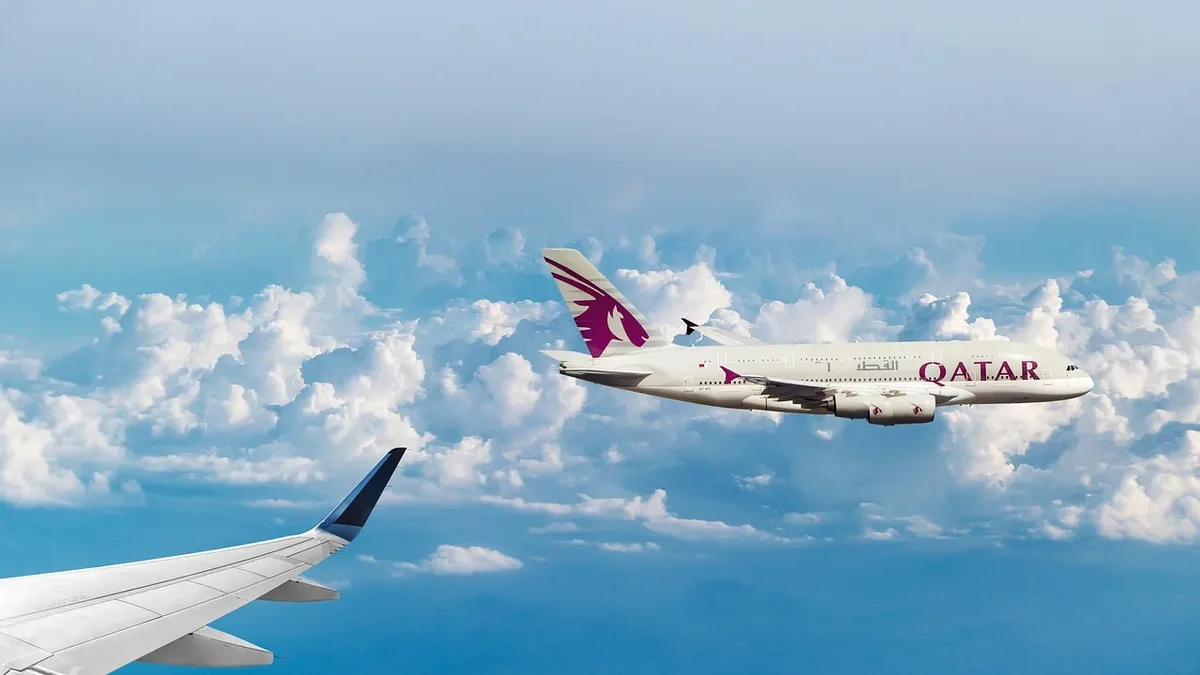
Qatar Airways still lacks Premium Economy despite Emirates
Emirates has launched a next-generation Premium Economy seat described as world-leading, while Qatar Airways continues to refuse the product despite...
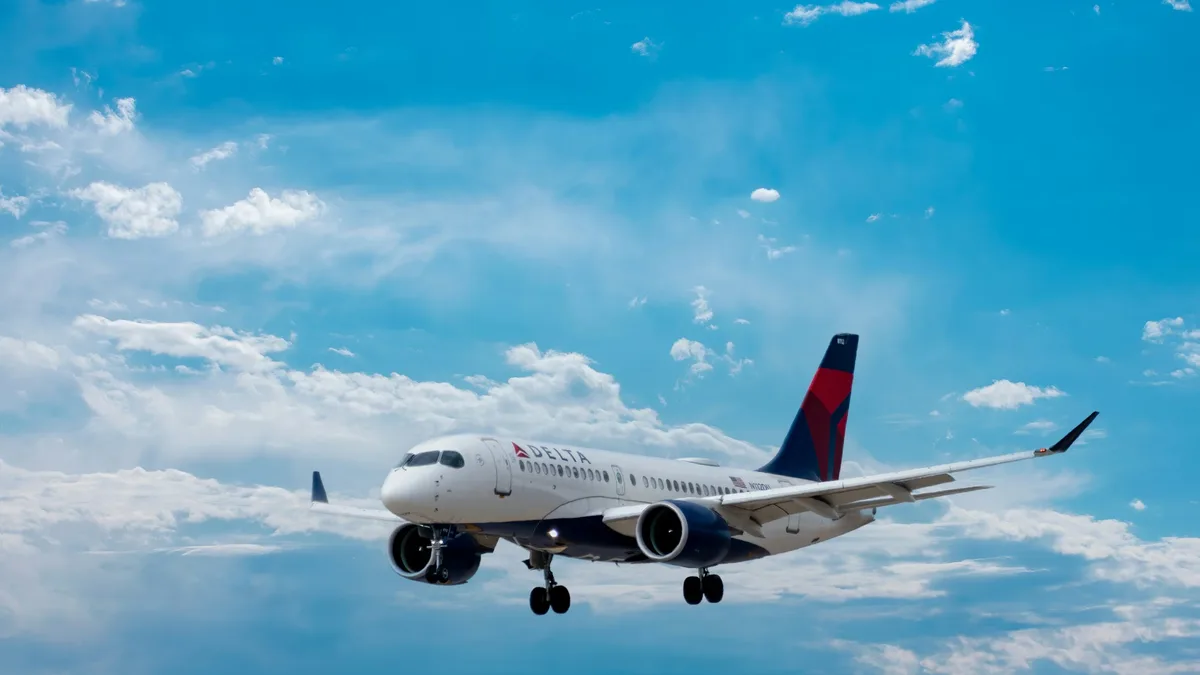
Delta's 44-Seat First Class A321neos Fly 80% Full
Delta Air Lines is operating seven Airbus A321neos with an accidental 44-seat first class cabin, selling 80% of those seats on key domestic routes.
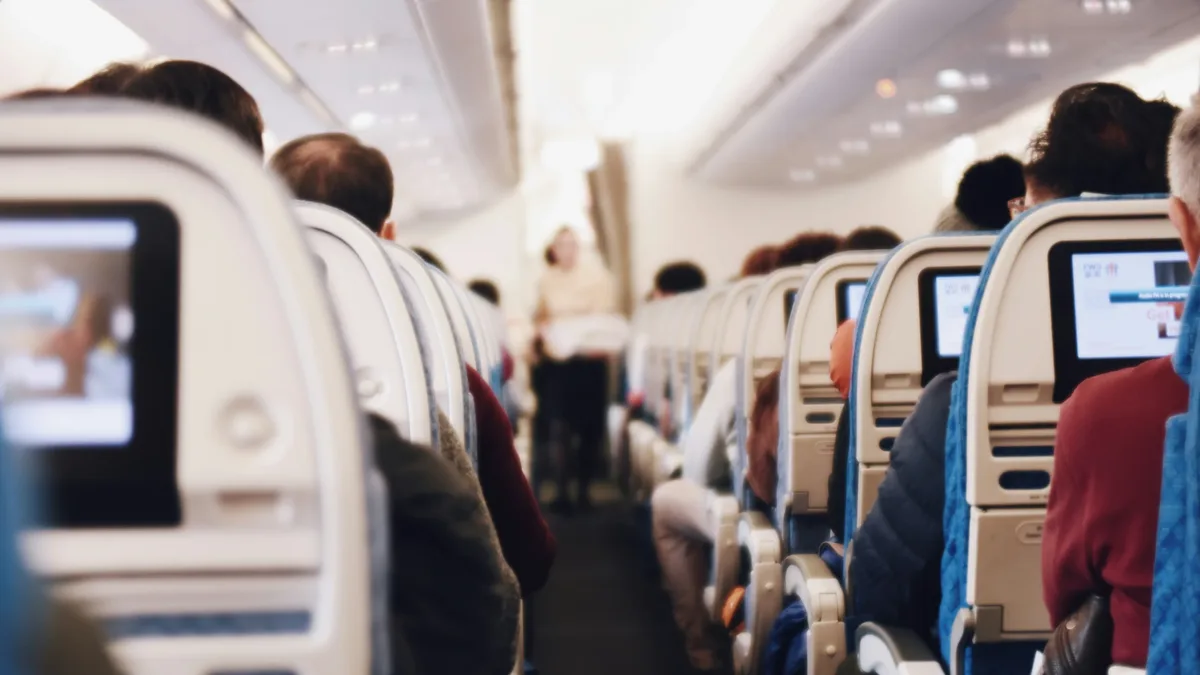
Emirates unveils new premium economy seat
Emirates has revealed a new premium economy seat featuring electric controls and retractable privacy screens, which it claims is a world-first.