Japan Airlines invests in rival Korean Air's
Japan Airlines has acquired a stake in Korean Air's parent company, Hanjin KAL, marking its first investment in a foreign airline.
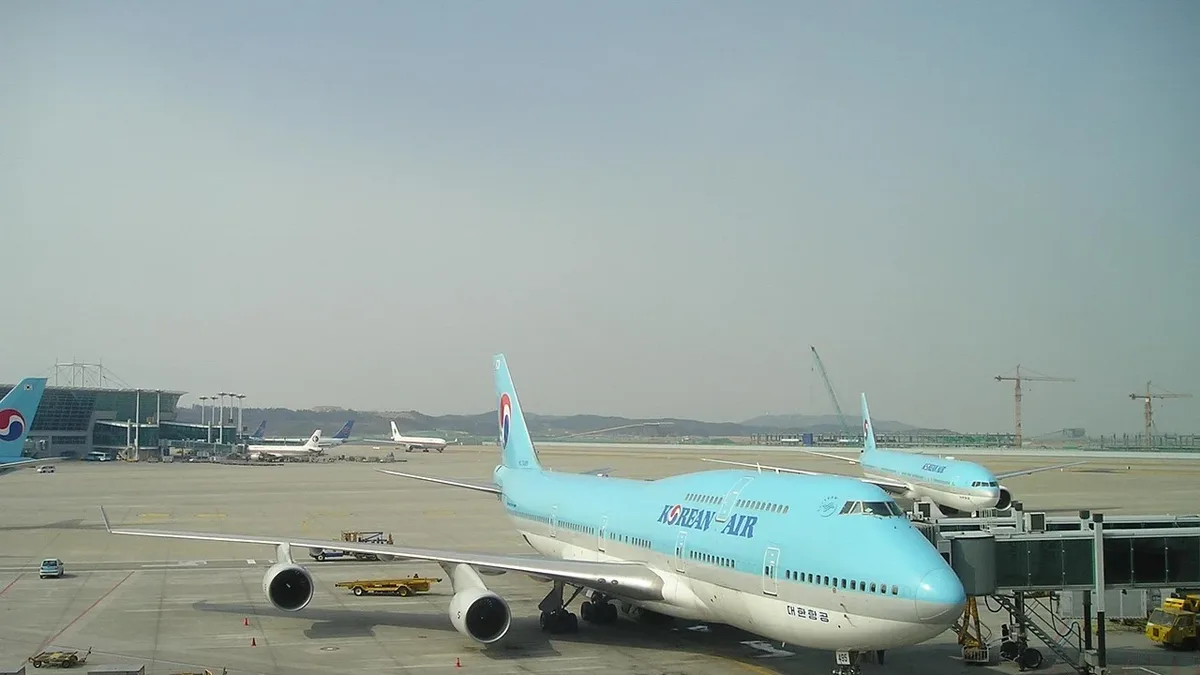
Japan Airlines has purchased an undisclosed stake in Hanjin KAL, the parent company of Korean Air. This marks the Japanese carrier's first investment in a foreign airline and is expected to lead to an expanded strategic partnership between the two rivals.
The investment is seen by some as a move to support Hanjin KAL Chairman Cho Won-tae. His control is under threat as the company's second-largest shareholder, Hoban Group, is within 1% of having a stake equal to the largest shareholder. Both Delta Air Lines and Japan Airlines are expected to side with the chairman in any potential shareholder dispute.
A history of cooperation amid rivalry
Despite belonging to competing global alliances-Korean Air in SkyTeam and Japan Airlines in oneworld-the two airlines have cooperated for decades. They maintain a codeshare agreement on routes between South Korea and Japan. This is a high-demand market where coordination is valuable, particularly due to limited slots at Tokyo Haneda Airport (HND) and overall traffic flows into Tokyo Narita Airport (NRT).
The new plan is for the airlines to work more closely and enter a strategic partnership that goes beyond their participation in their respective global alliances. This will initially involve closer cooperation in their core passenger and cargo businesses. A task force will also be formed to pursue new business opportunities, which could include cooperation on maintenance, sustainable aviation fuel, and urban air mobility.
Motivations and potential impacts
The deal appears unusual on the surface. Industry observers question why an investment is necessary for cooperation, given that Japanese business culture is typically transparent. The investment is presumed to be small for percentage ownership, meaning Japan Airlines is unlikely to gain significant influence over Korean Air's daily operations.
One theory is that Japan Airlines hopes for favorable treatment in return for supporting the current chairman. The expanded partnership could give Japan Airlines an edge over its domestic competitor, All Nippon Airways, in regional service and passenger flows. While a radical shift like Japan Airlines leaving the oneworld alliance to join a transpacific joint venture with Korean Air and Delta is considered unlikely, broader reciprocity on frequent flyer benefits is possible.
An open question is whether Delta, which has its own investment in Korean Air and a joint venture with the carrier, will become involved by association. Delta is soon returning to Tokyo Narita.
The evolving airline landscape
The investment comes at a significant time for South Korean aviation, following the merger of Korean Air and Asiana Airlines. The two airlines will shortly operate under one brand. The report suggests the immediate impact of the Japan Airlines investment will likely be most felt on travel between Japan and South Korea.
The airlines claim they are now working to find more ways to cooperate. How this relationship evolves between carriers in rival alliances is not yet clear.