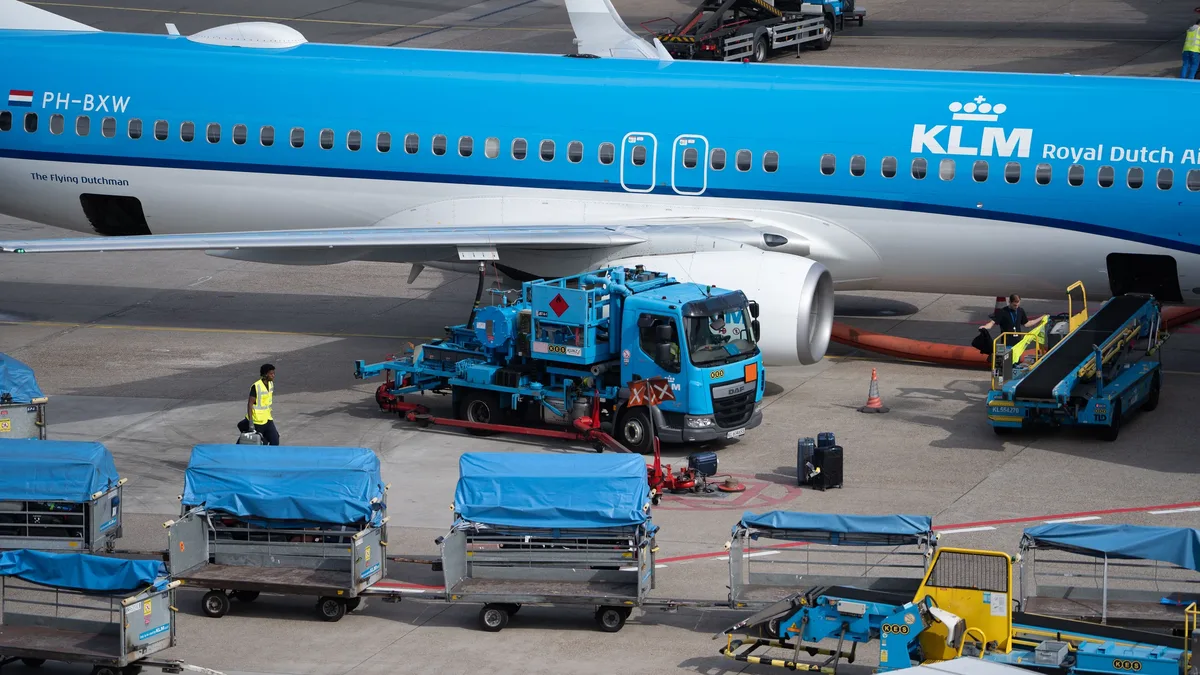
NATS System Failure Grounds UK Flights, Causes Major Delays
A technical failure in the UK's air traffic control flight processing system has caused widespread flight delays and cancellations, particularly at London
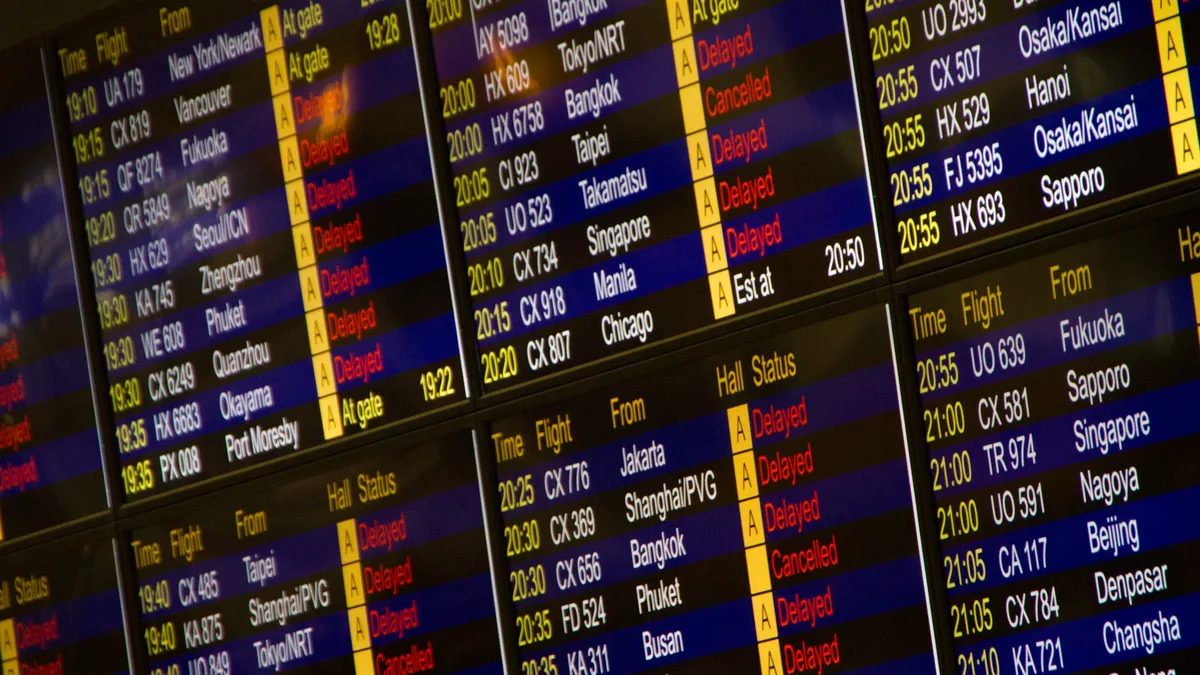
A technical failure in the UK's national air traffic control system caused major flight disruptions across the country on Tuesday. National Air Traffic Services (NATS) first acknowledged the problem at 1:46 PM BST, confirming an issue with its flight processing system by 3:25 PM.
The disruption is significant. Ryanair stated that approximately 65,000 of its passengers were already affected. A live snapshot from Flightradar24 shortly after 5:30 PM BST showed nine of the world's ten most disrupted airports for departures were located in the UK.
System Failure and Airline Response
NATS provided limited technical details but confirmed engineers were working urgently to restore normal operations. AP News reported that departures at some London airports were stopped for around 40 minutes, briefly restarted, and then restricted again after the problem recurred. The organization stressed UK airspace remained open, but with constrained traffic flows.
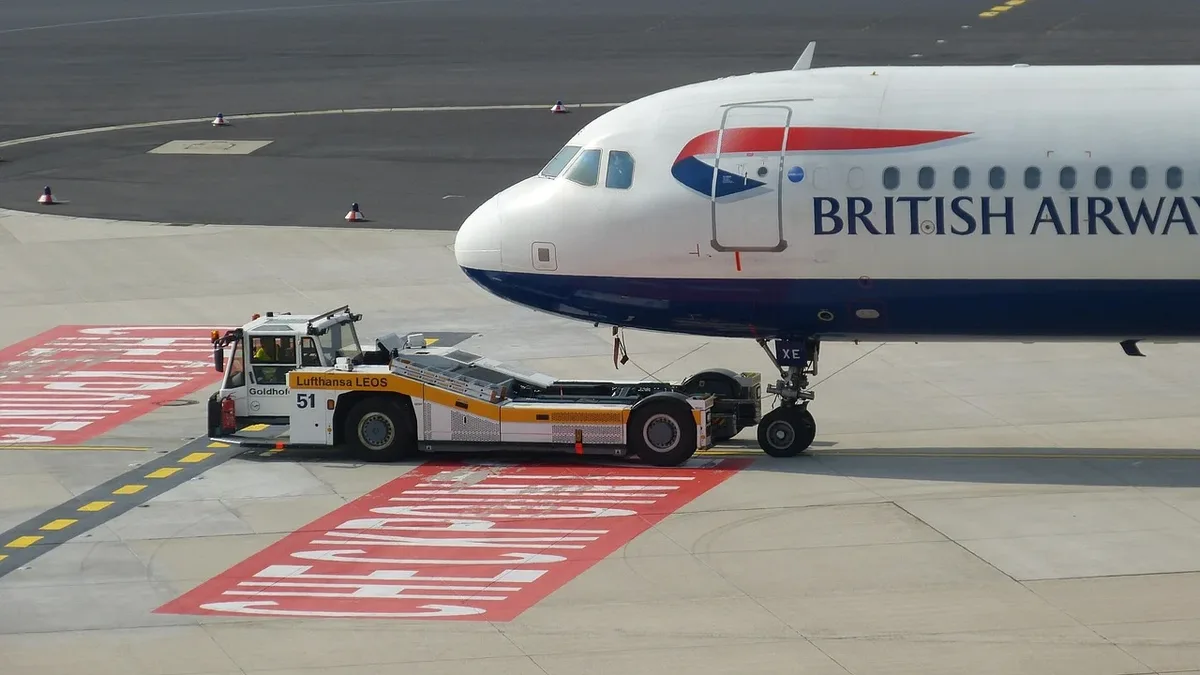
Major airports reported significant delays and cancellations. British Airways said it was "experiencing some flight disruption." easyJet warned the failure was creating delays across Europe and had halted all departures from its largest base at London Gatwick Airport.
Some airline responses were fierce. Wizz Air said it was "extremely disappointed," calling the organization responsible for critical national infrastructure "not fit for purpose." Ryanair called for the resignation of NATS chief executive Martin Rolfe. Ryanair's Chief Operating Officer Neal McMahon criticized the repeated failures, stating passengers were suffering "avoidable ATC delays of up to 8 hours today."
Scale of the Disruption
The disruption's scale was captured by flight tracking data. A Flightradar24 snapshot after 5:30 PM BST ranked airports by a disruption index combining delayed flights, average delay, and cancellations. Nine of the top ten were UK airports.
| Airport | Disruption Index (0-5) | Key Metric |
|---|---|---|
| London Gatwick (LGW) | 5.0 | Every tracked departure delayed; avg. 100 min delay |
| Birmingham (BHX) | 5.0 | Average delay of 107 minutes |
| East Midlands (EMA) | 5.0 | Major problems indicated |
London Heathrow, while ranking lower on the index, was approaching 100 flight cancellations by the time of writing. The ripple effects extended beyond the UK. EasyJet reported extensive delays across its European network and over 140 cancellations. Inbound traffic was also being held at departure airports abroad, threatening to spill disruption into the following day.
History of Previous Failures
This incident follows previous major NATS system failures. The most severe occurred on August 28, 2023, when a flight plan containing duplicate waypoints caused both primary and backup systems to fail. An independent review by the Civil Aviation Authority estimated over 700,000 passengers were affected. All formal recommendations from that review were closed by the regulator on June 19, 2026.
Another failure happened on July 30, 2025, involving a radar-related technical problem that reduced traffic flows for several hours. There is no current evidence linking today's issue to the 2023 cause. However, past events show how hours of constrained capacity can lead to days of airline schedule recovery. NATS advises passengers to check their flight status directly with their airline.